Wicklow Community Fighting To Save Biodiversity Under Threat From Wind Farm
The Wicklow community, under the leadership of South East Coastal Protection Alliance and independent NGO, Blue Ireland, are fighting to oppose a plan by SSE Renewables to build 53 turbines on the Arklow Sandbank, situated close to the nearby shore.

The Wicklow community, under the leadership and voluntary commitment of South East Coastal Protection Alliance (SECPA) and independent NGO, Blue Ireland, are fighting to oppose a plan by SSE Renewables to build 53 turbines on the Arklow Sandbank, situated only 6km to 12 km from the nearby shore. The development is a wind farm that is likely to service the Echelon data centre in Arklow. It is being proposed on the same location, the Arklow Sandbank, as the 7-turbine demonstrator project that was commissioned in 2002 under the now outdated 1933 Foreshore Act.
The Arklow Sandbank is home to harbour porpoise, bottlenose dolphin, minke whale, seabirds including guillemots, razorbills and roseate terns, juvenile fish nurseries, and the benthic communities that have been building, breeding and foraging on its phytoplankton rich sediment for thousands of years. This is why the development raised urgent concerns for environmentalists. The development would lead to irreversible biodiversity loss, impede natural defences against coastal erosion and climate change and affect bathing water quality, it is argued by the environmental groups, who are calling on the public to oppose the project through the means listed on the website.
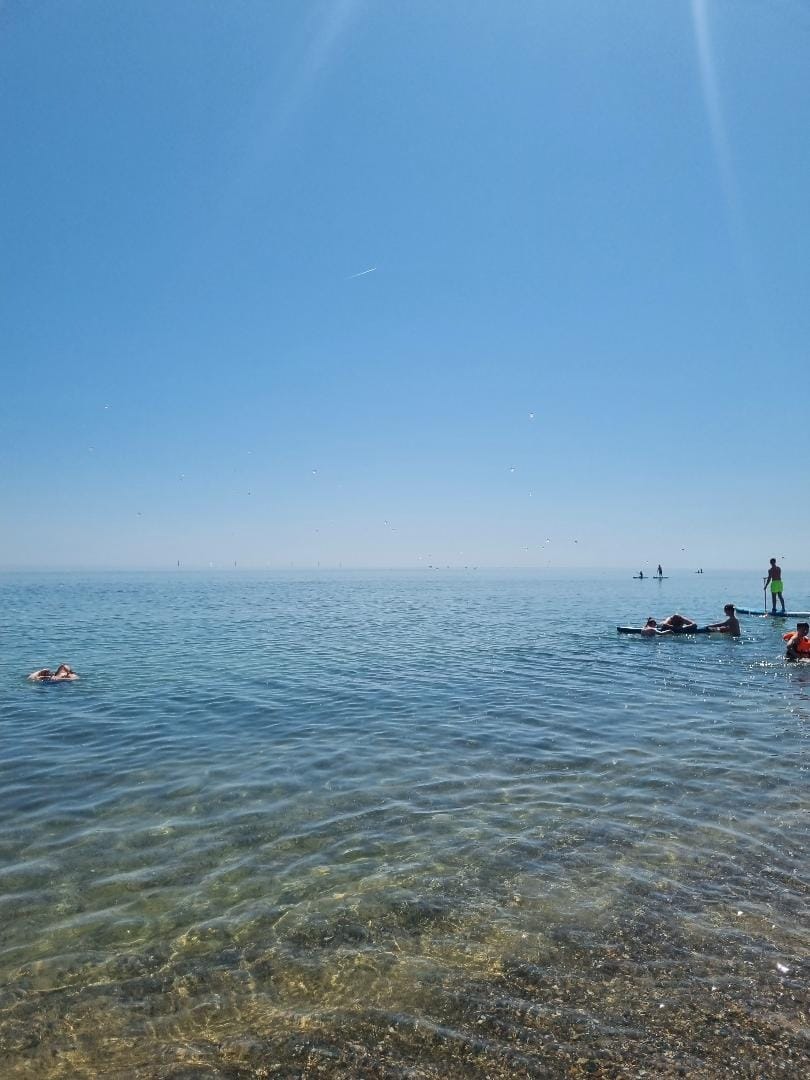
Wicklow beach.
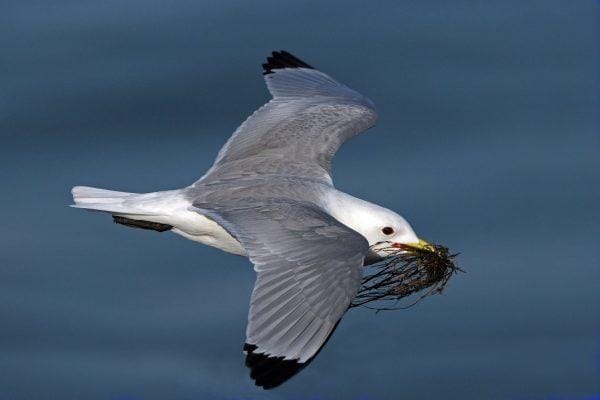
A black-legged kittiwake, a bird, known to be living in Wicklow and will be disturbed during the construction process.
In fact, in July 2024, 137 members of the public, local businesses, fishing groups, sailing clubs and environmental organisations submitted formal observations to An Coimisiún Pleanála raising serious concerns about the location of the project.
“SSE's own documents acknowledge that the project could cause changes to the coast and sandbank systems arising from the blockage of waves and tides. Their own risk assessment accepts a reasonable likelihood of disturbing harbour porpoise during construction. Their own sediment modelling admits there is insufficient data to complete a fully quantitative cumulative impact assessment alongside the plan for the proposed neighbouring Codling Wind Park. Another contentious project with environmental and economic risks, “ said the SECPA in a statement to Aontacht Media.

A harbour porpoise, a protected species under EU Law, who are endangered by the project, as they will be disturbed during the construction process.
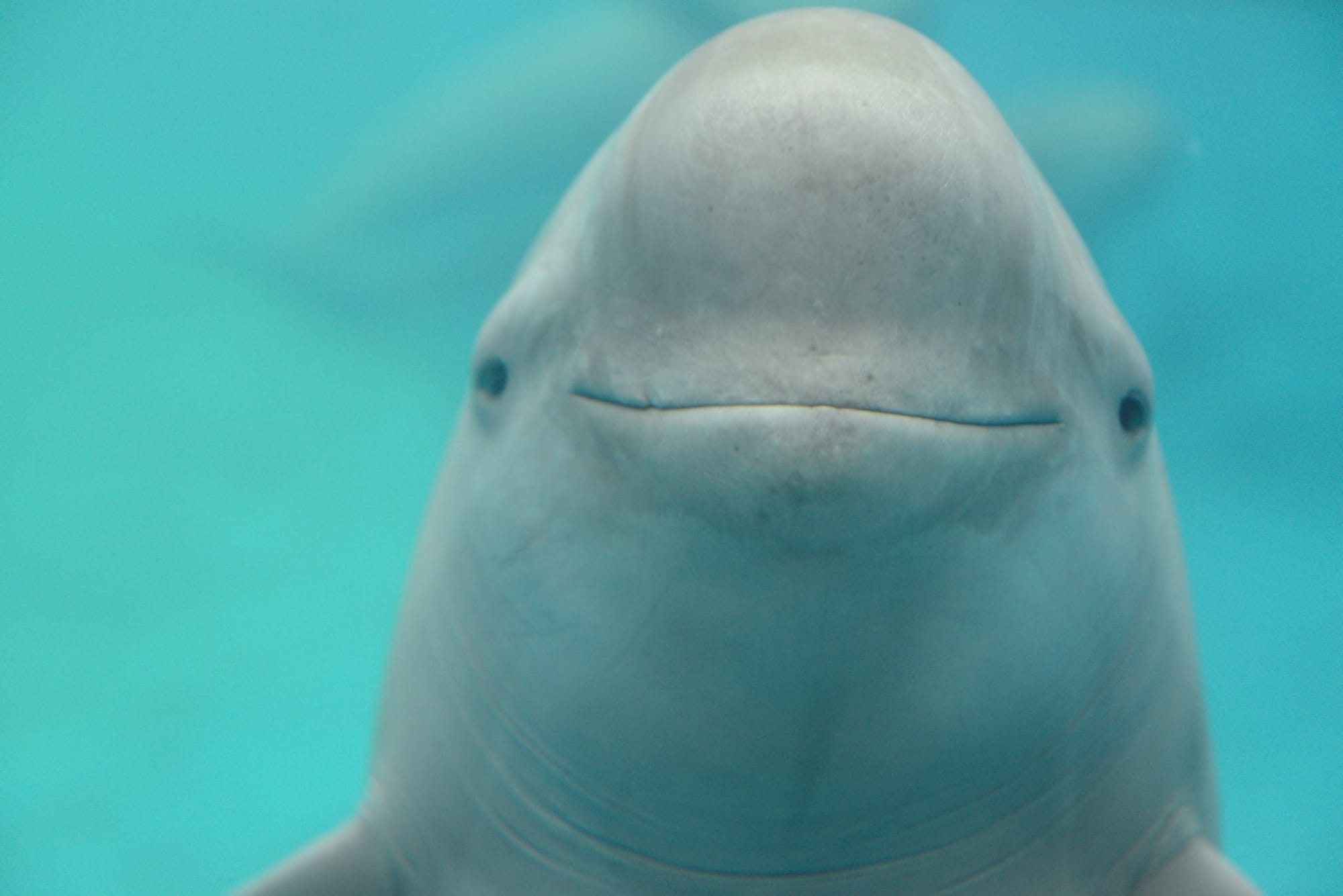
A harbour porpoise, a protected species under EU Law, who are endangered by the project, as they will be disturbed during the construction process.
“The coastal tourism economy of Wicklow and Wexford already generates more than SSE's projected lifetime local benefit in a single year. It does so from the same beaches, sand dunes and coastline that the project rates as facing negligible risk of adverse impact. According to Fáilte Ireland's Key Tourism Facts 2024, the combined Wicklow and Wexford tourism economy generates more than €433 million in revenue every single year exceeding SSE's projected €400 million local economic benefit over the entire lifetime of the project. If the conclusion of ‘not significant’ by SSE is wrong, the annual economic cost to these two counties could exceed SSE's entire projected local benefit within twelve months. Over 35 years of operations, at current values is over €15 billion in tourism revenue from the same coastline that SSE rates as facing negligible risk, “ the statement concluded.
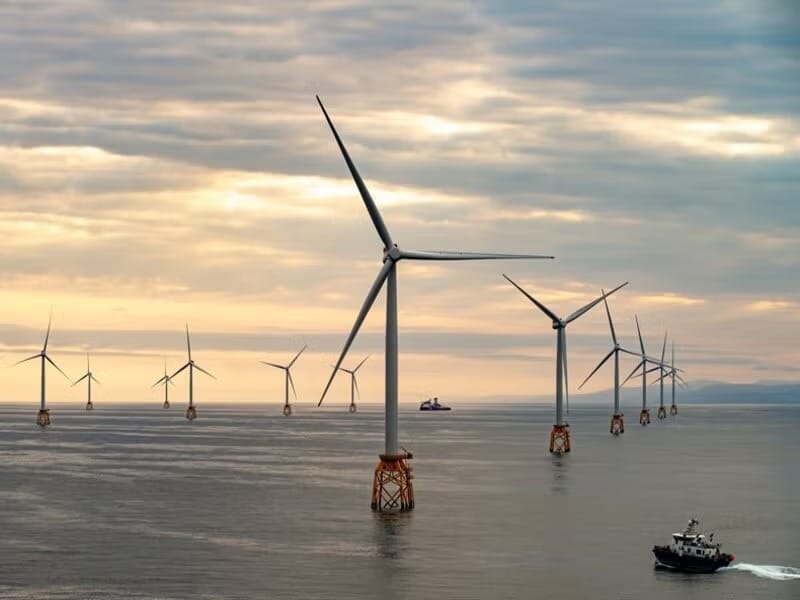
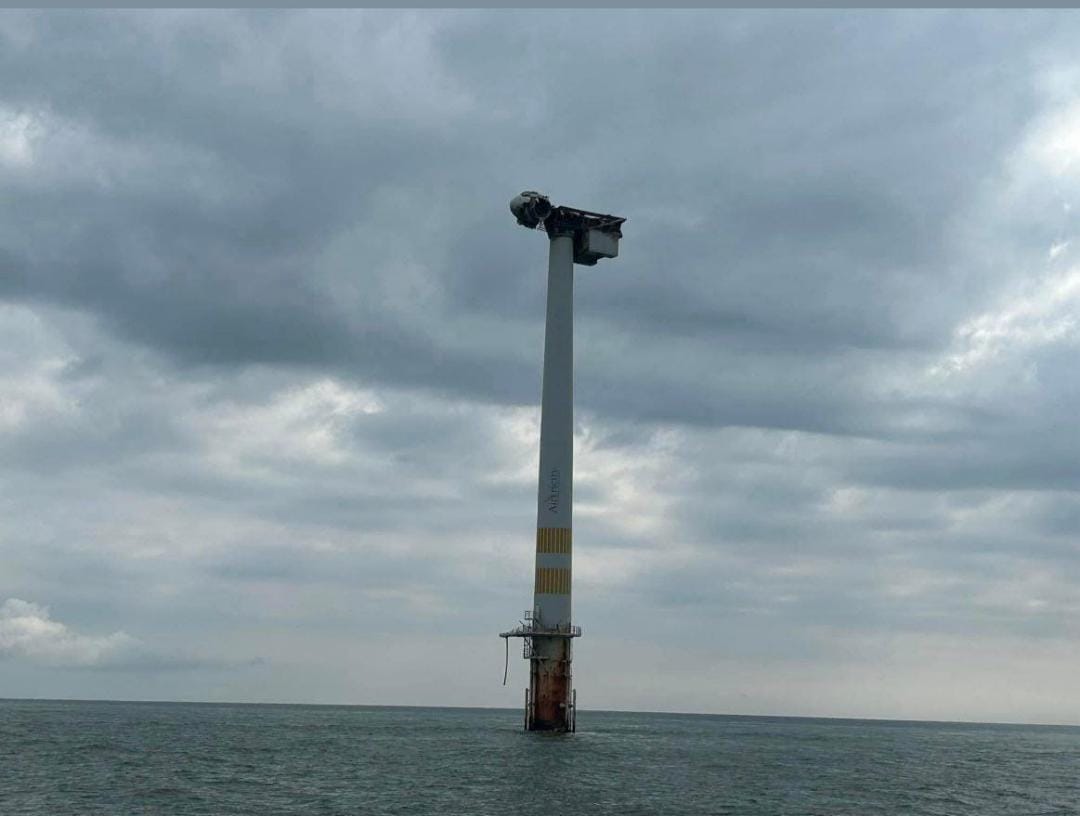
The current Arklow Bank Wind Park 1, which is of a smaller capacity, is now partly decommissioned, with all turbine blades removed, while monopiles and scour protection remain in the sandbank.
The group also noted that ecological protection is the legal and scientific precondition that determines where “economic opportunity is lawfully permitted to go. The Habitats Directive, the Birds Directive and the Marine Spatial Planning Directive all confirm this, as does the Court of Justice of the European Union in twenty years of case law on Article 6(3) relating to Appropriate Assessment required to determine if a project will damage a site”.
Ireland currently protects approximately 9.4% of its marine waters. Ireland's failure to meet its EU obligations to protect the natural environment has been building for decades and is now beyond dispute. There have been multiple European court rulings and infringements proceedings on the matter: Case C-183/05, Case C-444/21 and INFR(2026)2051 to name a few, stretching across decades.
“The picture this timeline presents is not one of isolated administrative delays. It is a pattern stretching across more than three decades, confirmed by multiple court judgments and now by a second round of infringement proceedings for failures that were first identified before the current generation of offshore wind applicants had submitted a single planning document. The absence of a robust Marine Protected Areas framework is not an oversight. It is a political choice, sustained across successive governments, that has ensured offshore wind development could proceed on ecologically sensitive sites without the constraints that properly designated protected areas would impose, “ the SECPA explained.
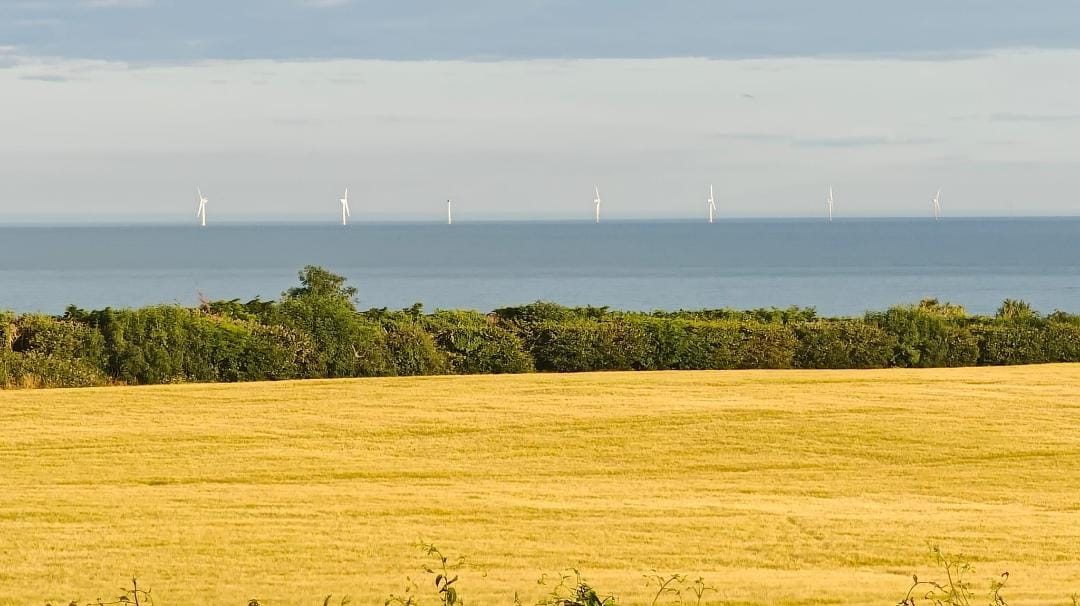
The current Arklow Bank Wind Park 1, which is of a smaller capacity, is now partly decommissioned, with all turbine blades removed, while monopiles and scour protection remain in the sandbank.
SECPA noted that it would be entirely possible to build the wind farm further away from the coast. This is what environmentalists have been asking for. However, “the response by SSE Renewables has considered only different ways of building on the same site. It is unclear if they robustly examined alternative locations further offshore as is required by Article 6 (4) of the Habitats Directive”.
This binding laws demands that a project can only be allowed if all these are true:
- There's no other way to do it (no alternative location or method).
- There's a really important reason to do it anyway; like it's crucial for public health, safety, or the economy.
- The government has to make up for the damage like creating or restoring nature elsewhere to balance it out.
- If the area has a super rare or extra-protected habitat/species, the excuses allowed get even stricter; basically only "this is a matter of life and death or safety" counts, unless the EU says otherwise.
However, “another developer, Source Galileo, is proposing an offshore wind development more than 22 kilometres from the Wicklow coast, without disturbing the Arklow sandbank. This is proof that an alternative site exists off the Arklow Bank, further away from the coastline in deeper waters”, SECPA remarked.
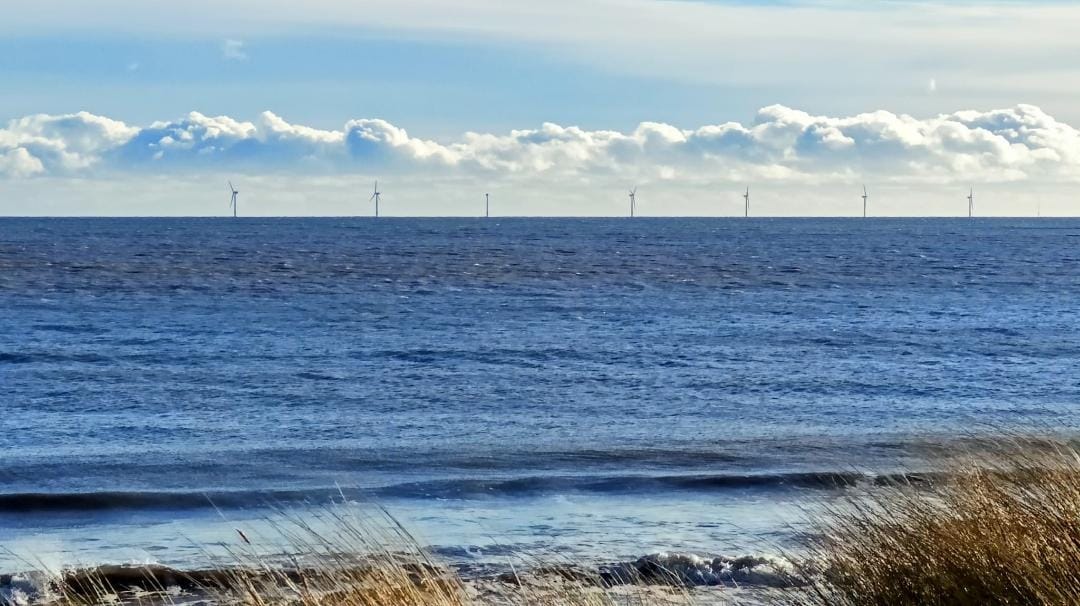
The current Arklow Bank Wind Park 1, which is of a smaller capacity, is now partly decommissioned, with all turbine blades removed, while monopiles and scour protection remain in the sandbank.
Offshore wind farms in Europe sit about 20–27 km (roughly 12–17 miles) out at sea on average and that distance keeps growing as newer turbines get built even further from shore as technology exists to capture the stronger, steadier wind offsets the economic and environmental costs of nearshore locations.
Ireland is considering precisely the opposite contests Blue Ireland. “The Phase One projects currently with planning applications, Oriel Wind Park, North Irish Sea Array, Dublin Array, Codling Wind Park, Arklow Bank Wind Park 2 as well as the Tonn Nua Array off Waterford present a massive industrialisation of the East and South coast, not “offshore”, just off beaches, in and around marine corridors, fencing in bays that depend on the complex coastal processes of nearshore sandbanks to protect the soft coastline from erosion”, Blue Ireland explained.
“We support offshore wind. We are simply asking that it be built in the right place, in compliance with the law and not on an Annex 1 sandbank that must be properly protected for future generations that will need this nature-based solution to continue to capture carbon, sustain marine life above and below and buffer the coastline from erratic storm erosion, “ SECPA concluded.
Those who are concerned about the impact of the proposed wind farm are encouraged to write to the State, to share and sign the petition and donate to SECPA at this link.