Students Speak Out About Unaffordable Cost Of Education Caused By FFG
Aontacht Media spoke to Finn O’Neil, a student who is struggling with affording university. He was also critical of the reformist direction of ÁMLE.

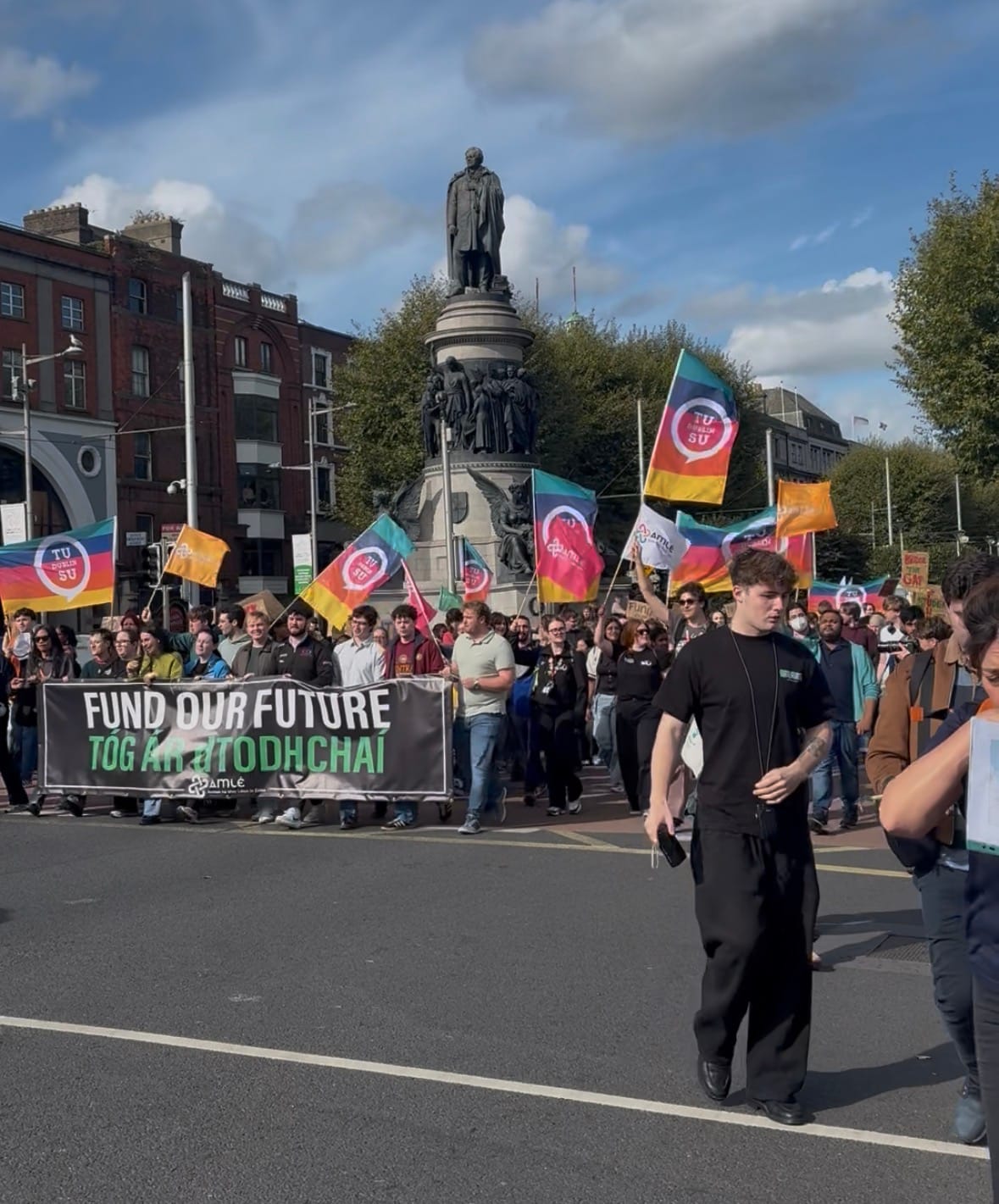
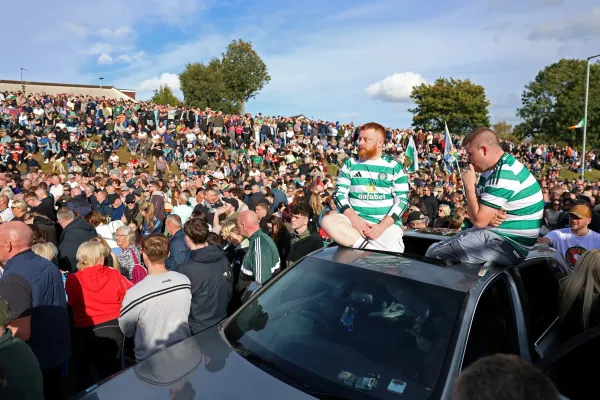
On October 1st, a few thousand students, led by Aontas na Mac Léinn in Éirinn (AMLÉ) marched to Leinster House in protest of unaffordable university fees, hidden costs and a worsening accommodation crisis.
The yearly protest, organised by the national students’ union and its constituent local student unions, passed peacefully and ended after the speeches. Aontacht Media spoke to Finn O’Neil, a student who is struggling with affording university. He noted the various issues facing the student body and how it is making access to education harder for those from working-class backgrounds. He was also critical of the reformist direction of ÁMLE.
“I am currently a part-time student from Dublin's Northside, and while I recognise the great fortune of pursuing a degree, my programme's schedule has prevented me from eligibility for grants and scholarship programmes though would otherwise help me from paying my fees. I commute, an experience bundled up in accumulative extra funds, and as though the cost of rent on average wasn't enough in itself I have conceded any chance to move. The object of the student fee protest seemed to be a reinvestment of government funds into universities to lessen the costs around them; rather than a popular movement to fundamentally challenge the class divide students are kept within by costs writ large, this ambition seems to instead want to make them more palatable even in the short-term, which still presents that question of divide and cost which will likely become more pressing as time goes on”, he said.
“I and many other students have our education and social experiences beholden to these ever-growing costs, a fact that might sting all the harder with the announcements made on Budget Day next week”, he concluded.
Each year, the student movement organises this procession. Critics have noted that it veers towards performativity, as usually, no follow-up actions are organised, and the campaign itself is not run in a way where decision-making is in the hands of the grassroots. Will this year be any different, and will the student leaders work to rouse people out of their apathy?