A Voice from Beneath the Rubble: My Dream of Studying In Ireland Collides With A Visa Refusal
How can a student in Gaza be asked to provide complex and unrealistic documents and papers, while we are living under the weight of a war and genocide that has stretched on for three years?
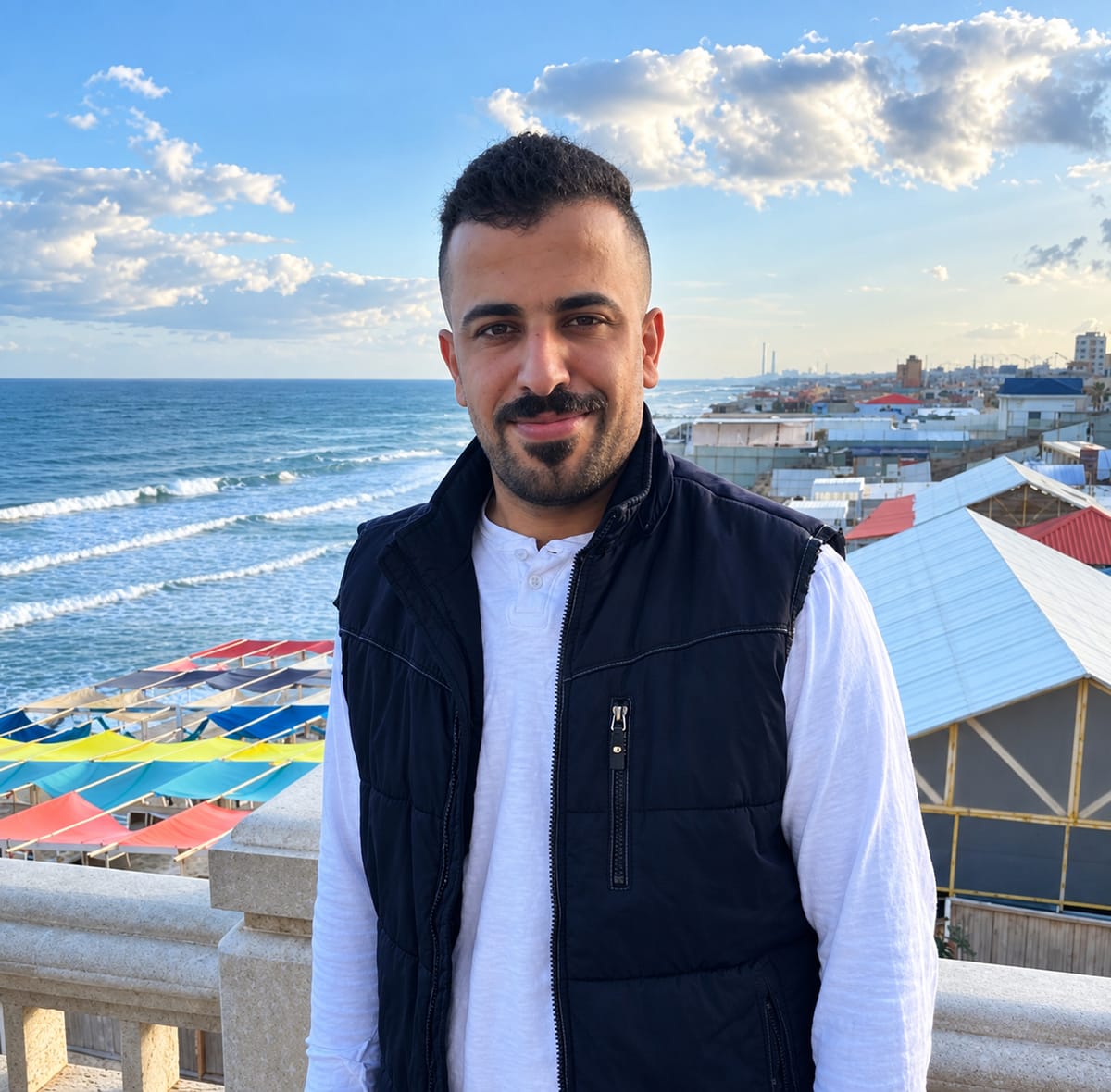
I am Othman Abd Rabou, from the Gaza Strip, specifically from Jabalia camp, which cradled my childhood and youth. I am thirty years old, and I work in media and communications. I have published several scientific research papers in this field and in environmental issues in peer-reviewed academic journals. I hold both a bachelor's and a master's degree in journalism, media, and communication technology.
For years, I have carried the dream of pursuing my graduate studies abroad, and my choice fell on Ireland — known for its support of the Palestinian cause, and holding a special place in my heart, as I have come to love this country and its kind people.
A Glimmer of Hope
At the start of September of last year (2025), I began the journey of searching for a scholarship at Irish universities, corresponding with their administrations by email. I was then offered a partial scholarship to pursue a master's degree in communications and media, and I was overwhelmed with indescribable joy after a long wait and diligent effort to achieve this step. The university stood by me with great kindness, removing obstacles along the way, and I found in it support and solidarity.
After completing the requirements set by the university, I applied for a visa through the student immigration office at University College Dublin (UCD) at the beginning of June. After nearly two months of waiting, I was shocked by an email informing me that my Irish visa had been rejected, as happened to a number of other students from Gaza, under justifications I found to have no real logic.
How Can Documents Be Demanded in a Time of Genocide?
How can a student in Gaza be asked to provide complex and unrealistic documents and papers, while we are living under the weight of a war and genocide that has stretched on for three years? A war that has destroyed everything: institutions, ministries, banks, infrastructure, and homes. Today we live in tents, struggling to obtain food, medicine, or a drop of clean water.
On a personal level, the impact of this war on me has been devastatingly harsh. I lost five of my siblings:
- My brother Mohammed, a journalist, aged 35
- My sister Sumaya, a journalist, aged 32 — both martyred together in August 2024 in an Israeli airstrike that targeted Nuseirat camp in central Gaza
- My brother Ahmed
- My sister Enas, a nurse who worked at Kamal Adwan Hospital
- My sister Nour
These last three were martyred in December 2024 during the third siege of northern Gaza, and to this day, their bodies remain under the rubble; we have not been able to retrieve them or bid them farewell with a proper funeral.
A Question Searching for an Answer
After everything I have lived through — loss, death, destruction, bombardment, and hunger — how is it reasonable that I, a recipient of a partial scholarship, be asked to submit documents that are nearly impossible to obtain in such a devastated reality? We can barely secure our own food and water.
It would have been more fitting for the Irish government, and the Department of Justice in particular, to ease the path for my travel to join my studies, as happens for any student in any other country in the world. Why is the Gazan Palestinian always treated as though he were not a human being facing hardships, simply because he is Palestinian? Do we deserve this complication merely because of our identity? Where is the humanity that is supposed to govern these decisions?
Today, I am being denied the opportunity to study because the Irish Department of Justice refused to grant me a visa, under flimsy justifications, and as a result, my studies and travel have been postponed. I will spend another year under the weight of genocide, bombardment, destruction, and hunger, after I had grasped a glimmer of hope when I received an unconditional offer of admission — a light after long years lived under the weight of bombardment, injustice, and genocide.
A Hope That Does Not Die
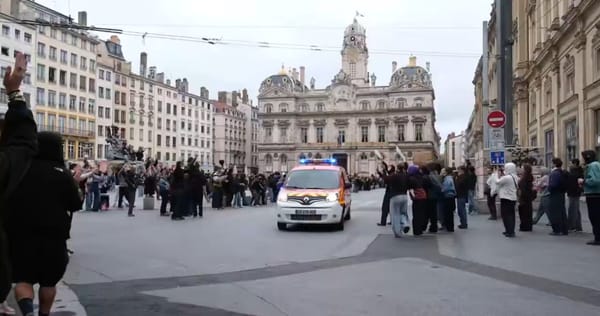
Do we deserve all of this? It would have been more appropriate for the Irish government to provide every possible means to facilitate my evacuation and travel, rather than closing this door in my face. I know well that Ireland and its people love Palestine and stand in solidarity with us in the face of this war and genocide, and I have seen with my own eyes how they took to the streets in solidarity with us after the decision to reject the visas of Gaza's students.
I have finally decided to file an appeal through a law office to challenge this decision, and all my hope is to join my studies soon, and for my dream to come true — so that I may return with the knowledge and experience I have gained to benefit my country and my community in Gaza, after all that it has endured of war and genocide.