
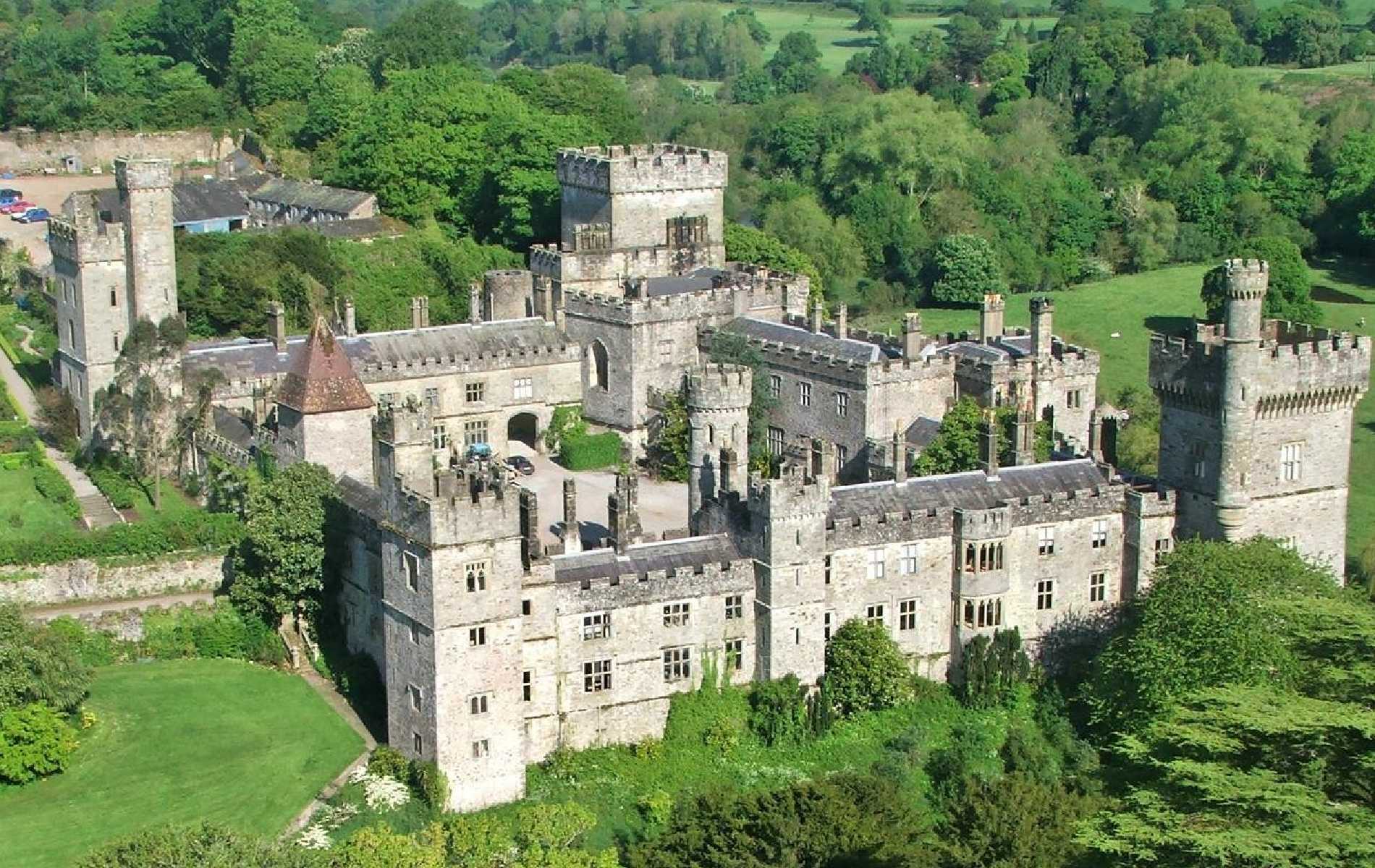


Lismore and the Question of the Land
Peter Irvine
There is widespread and justified outrage at the situation now unfolding in Lismore, County Waterford. Hill farmers, many of whose families have worked the same ground for generations, are facing rent increases reported to be as high as 900%. For some, these increases threaten not merely hardship, but the effective end of their ability to remain on the land at all.
No community anywhere in Ireland should be placed under such pressure. No farmer should be driven from their livelihood by sudden and extreme financial demands. Yet the public discussion has, so far, remained narrowly focused on the scale of the increases themselves, as if the injustice lies only in the size of the demand, rather than in the demand being made at all.
The land in question forms part of the Lismore Estate, controlled by the Duke of Devonshire, an English aristocrat whose claim to this portion of Ireland rests not on labour, nor on any organic connection to the community, but on a historical chain of ownership that traces back through confiscation and colonial settlement in Elizabethan times. That such a system persists into the present day should concern anyone with any interest in justice, democracy or national sovereignty.
Much has been said over the past number of days about whether the rent increases are fair or whether they have been introduced too sharply. Provisional Sinn Féin and others have raised concerns along these lines and rightly so. But this framing risks missing the central point entirely. The issue is not simply how much rent is being charged, but by what right rent is charged at all in such circumstances. As James Fintan Lalor said, “the entire soil of a country belongs of right to the entire people of that country.”
If a farming family must pay for the use of land that they and their forebears have maintained and depended upon, while the ultimate ownership remains vested in an absentee landlord across the water, then the problem is not one of pricing, it is an issue of who has the right to the land. The continuation of such arrangements represents not merely an economic imbalance, but a deeper failure to resolve the legacy of landlordism in Ireland.
It is often argued that these estates are now managed according to modern legal and commercial norms and that rent reviews are conducted on an objective basis. Even if one were to accept this at face value, it does not answer the more fundamental question. Systems that originate in injustice are not rendered acceptable simply by the passage of time or by adherence to procedure.
The situation in Lismore should therefore prompt a broader reconsideration. If there is to be any lasting resolution, it cannot be confined to moderating rent increases or negotiating temporary relief. It must address the underlying reality that large amounts of Irish land remain under the control of those who neither live upon the land nor labour upon it.
There can be no meaningful solution while that condition endures. The question is not how rents are calculated, but whether they should exist in cases such as this at all. Until that question is faced directly, disputes such as this will continue to arise and the injustice at their core will remain unresolved.