We’ve Been Here Before: People Before Profit and Performative Antifascism
The question worth asking about People Before Profit is not whether they oppose fascism. They do, loudly and repeatedly. The question is whether their model does anything to contest the conditions that produce fascist violence - and on that measure, they are failing.
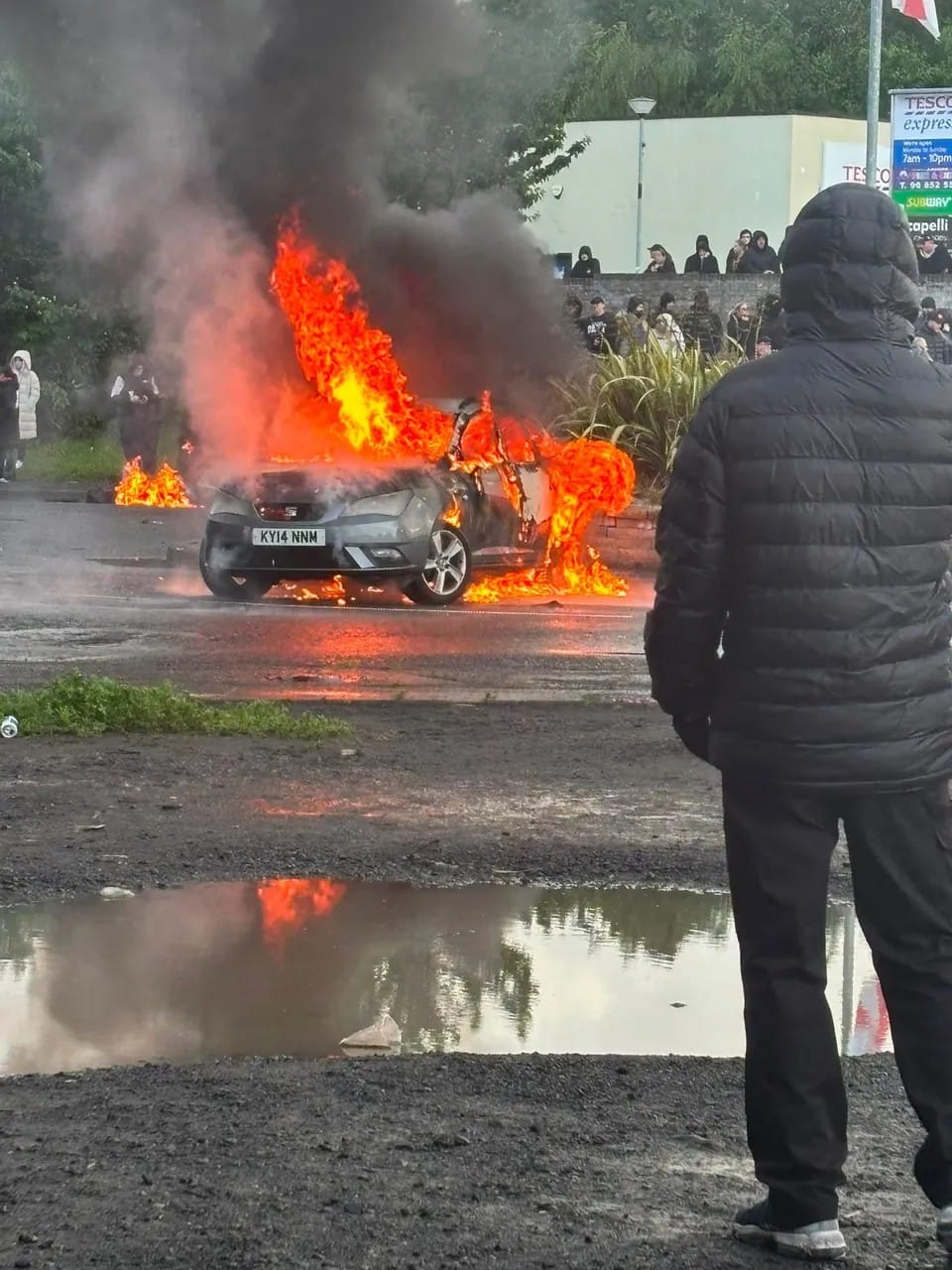
More than half a dozen houses and businesses were set ablaze during fascist violence across Belfast and the North of Ireland, following a knife attack on Monday night. Multiple people were evacuated from the epicentres of violence, including infants, and immigrant families. The situation is almost identical to the pogrom in the Summer of 2024, when fascist mobs burnt down businesses, attacked people, and went on a rampage across the city. Two years on, the material conditions that made the far-right gain such a stronghold have not been contested. Violence against minority communities continues unabated. PBP is still issuing statements.
Credit where it’s due, PBP statements are littered with the best vocabulary any socialist could ask for, talking about austerity, solidarity, working class. Their statements on far-right violence, then and now, follow a familiar pattern: condemnations of fascism, calls for unity, invocations of capitalism as the root cause, and the characteristic self-regard of a party that has never quite lost the habit of congratulating itself. What they do not contain is any account of what went wrong, any honest reckoning with the gap between PBP’s presence and the protection of vulnerable communities, or any serious plan to close it.
The Tactics
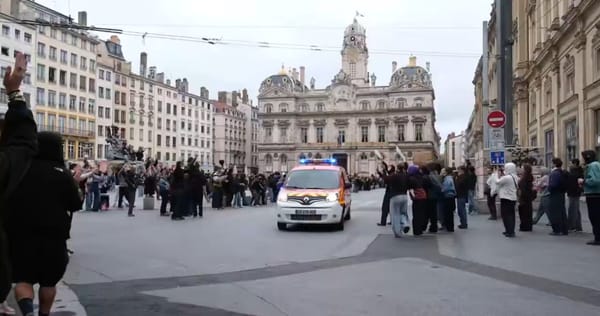
In 2024, during and after the pogrom, the concrete need was for physical, on the ground actions, whether through community patrols, organised presence outside mosques and vulnerable buildings, and rapid response networks. This work is unglamorous, does not make for good social media content, and electorally invisible, at least in the short term. Unsurprisingly, PBP opted to (a) redirect people towards large set-piece demonstrations away from the areas that needed physical presence; and (b) at a meeting to discuss a response to fascist mobilisation, belittled and denounced this work, claiming that these are machinations of people “looking for a fight”. It was very clearly a choice to prioritise optics of mass mobilisation over the material protection of working class communities they claimed to defend. Whether you have 500 people listening to your lineup of MLAs and councillors or 50,000, it’s irrelevant when it creates no material change for the families who faced the very violence you claim to fight against.
The other well-known method of PBP, of (c) appealing to the ICTU to act, is similarly a dead-end. The trade union is neither willing, nor able to act. It is an ailing skeleton body which represents hundreds of thousands of workers only on paper. It has no pull, no ability to mobilize and no buy-in, due to decades of social partnership, selling out their own membership in exchange for a seat at the table, where they conduct piecemeal negotiations with the state. Its leaders are vultures circling the decaying carcass of the worker's movement to line their own pockets and pose with Labour Party TDs at carefully-managed PR events where they pat each other on the back for having done a great job. It is for show, and it can be no other way, because they are completely detached from their supposed membership. Last time they tried to mobilize, 100 workers came out with another 100 leftie activists, in November 2024 at the “Hope and Unity” rally. The trade union movement PBP thinks exists - and it being a mere mechanical matter of calling upon them to act, like pressing a button - does not exist, and the slow, patient work of rebuilding working class class consciousnesses is needed before, led by militant trade union leaders, who are not found in ICTU.
Antifascism is inherently a three way fight between the state, the fascists, and the left. PBP has not taken the fight to the fascists, outside of organising a few odd rallies at the most convenient and picturesque locations. PBP has also not taken up the fight against the state, but has, on at least one occasion, acted as agents of the state, labelling non-party activists as troublemakers and inciters of violence, going so far as to point them out to the police at demonstrations, especially socialist republicans.
The Ideology
At its core, PBP is a party operating within a Trotskyist tradition, with a long history of either subordinating grassroots activity and community engagement to whatever is useful to the party’s visibility and electoral prospects. Naturally, there is a reluctance towards using party resources towards the unmarketable, dirty work that happens on the ground. On the contrary, it’s much more efficient to grab headlines by organising a massive protest, singing a few songs, and getting ol’ Gerry up on the stage to give a speech. There are, of course, people who will claim that Gerry Carrol is a capable orator, and has faced repercussions for his politics. However, a party serious about rank-and-file politics should not be dependent on the appeal of a single spokesperson. Such dependency relocates agency away from activists and communities and towards individual leaders who can be marginalised, co-opted, or just wrong.
The Analysis
Beneath all of this is the fundamental failure of class analysis. Identity politics, in the Marxist sense, is a description of politics that treats social categories as the primary unit of analysis, rather than class position or material interests. When PBP builds its antifascist work by mobilising a pre-existing nationalist progressive community, rather than engaging with the working class communities that fascists actively recruit from, it is doing identity politics. Fascism grows in specific material conditions - housing scarcity, unemployment, the collapse of public services, the absence of any credible left alternative in working-class communities that have been written off. PBP’s model does nothing to contest these conditions in the communities where they are most acute. A party serious about dialectical materialism would ask not “how do we demonstrate our opposition to fascism and far-right violence” but “what are the material conditions producing this violence, and how do we organise at the point of production of those conditions”.
PBP will read this and disagree. They will point to their statements, their votes in the last election, and the turnout at their protests. Antifascism, however, is measured by whether the people under attack are safer because you exist. That is the fundamental test that PBP has consistently failed. Fascism is a symptom of communities abandoned, by the state, by capital, and increasingly, left wing organisations. To combat it is to combat the material conditions that cause it to breed among working class communities, and this is what PBP claims to understand in its statements but not in their politics. Until they reckon honestly with the gap between its rhetoric and its practice, it will continue to offer the left a mirror in which to admire itself, while the far right does the actual organising.