In Defense of Political Maturity
“How you are right does not matter if you are right in the wrong way,” argue Leandra Tolentino and Owen Buchanan in this piece.

By Leandra Tolentino and Owen Buchanan.
I think there is a real need for political maturity. Political maturity does not refer to a specific position or vision for the nation of Ireland. Rather it refers to having tact and caution when engaging in political dialogue and actions. Such an approach is absolutely a part of politics and regardless of how well meaning someone is or how good an activist they are, otherwise it falls apart if they are politically immature. Let us look at some examples of this.
The introduction to “A Taxonomy of Contemporary Irish Trotskyist Organizations” is such an example in my view. It begins by emphasising the role the CIA played in laundering the reputation of Trotskyism amongst the international left. It then describes it as a “glorified pyramid scheme”. These accusations are needlessly toxic and made without evidence. If one has criticisms, make those criticisms clear. You don’t need to engage in conspiracies to make those attacks. If anything they damage the reputation of both the accuser and the accused and push people towards political disenfranchisement. Everyone is familiar with the mass apathy of young workers towards leftist sects and splits.
The popular image of sectarian leftists
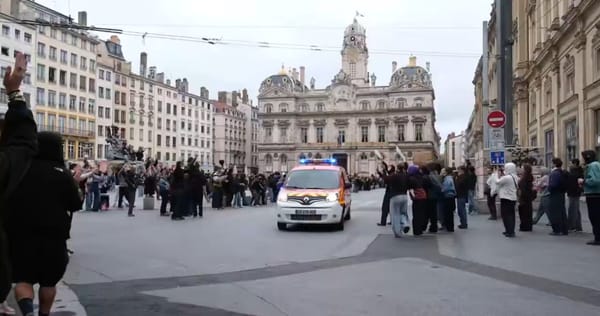
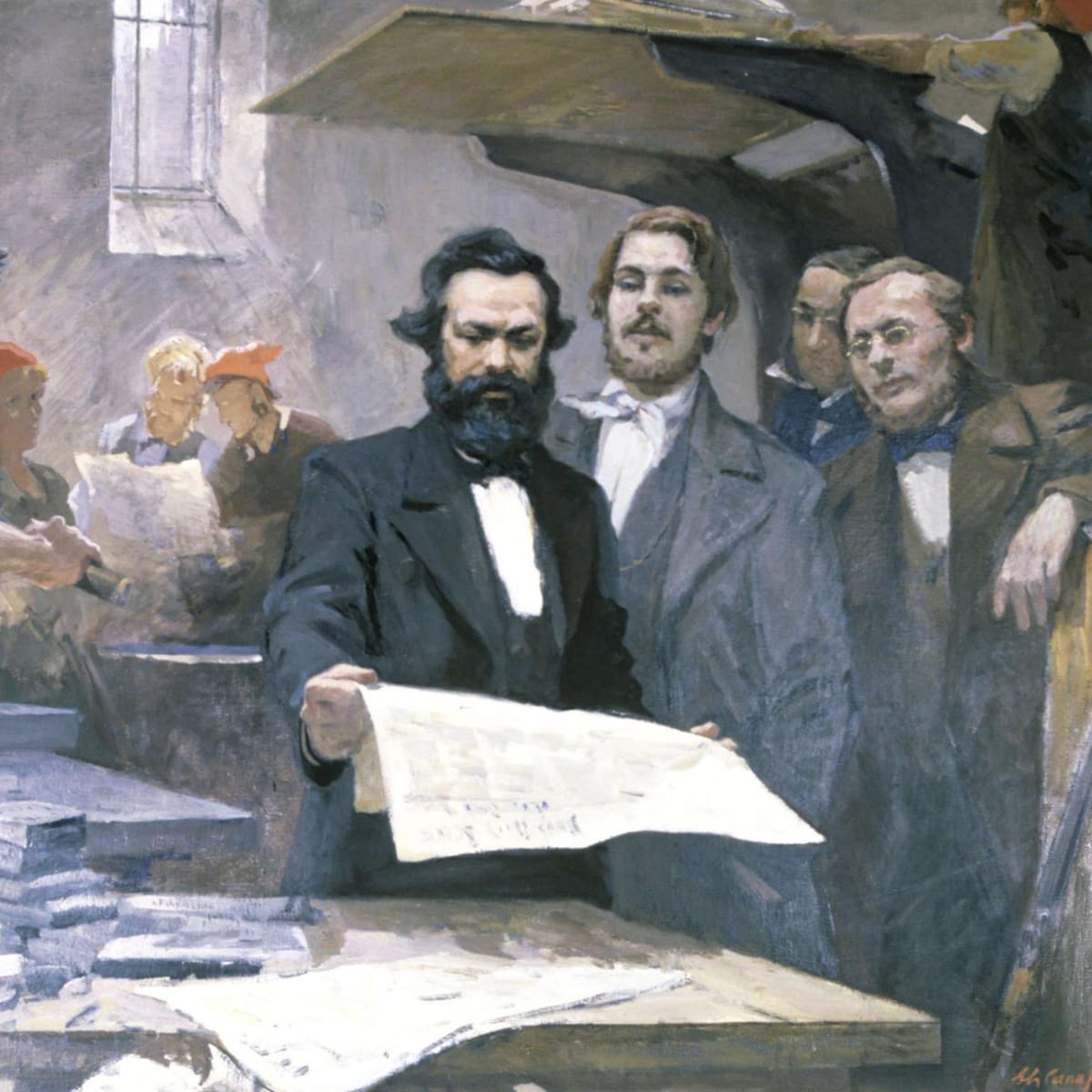
This article also displays another example. The feature image had to be changed two times. Clearly there was little thought put into it because the second image was of a woman’s rights caucus. It had nothing to do with the criticisms laid out in the actual article. This of course led to accusations of sexism. “Why have that image there? What are you implying? Do you think women don’t face misogyny?" Natural thoughts to have for an article written by three men with such an image. Of course I wouldn’t judge a book by its cover, or an article by these two aspects. However, most people will, particularly women given the context. Especially if the reputation of the outlet has already been damaged.
There is one final example from my time involved with inter-party politics. I had to deal with a dispute between two opposing sides essentially. One of those sides contained within it a formalised faction that refused to strategically vote as a Bloc with the others they agreed with purely on a sectarian basis. Unsurprisingly that faction lost members and the Bloc as a whole lost.
Examples like this are scattered throughout the Irish left. I pose this question to you dear reader - how many splits and ruptures were you a witness to because of almost entirely personal disagreements or bad conduct rather than something pertaining to actual strategy? It does not matter how right you are if you are not right the right way.
To combat this issue in Aontacht I suggest the introduction of another article in the code of conduct.
11) Aontacht operates under the idea of ‘Productive criticism’. The oversight committee may judge content at its discretion and alter it with the author’s consent if the content engages in “conspiratorial behaviour”. That is it makes claims that are not widely known, agreed with or understood without evidence or elaboration. If and only if no agreement can be made on editing the oversight committee may block the article from being printed.
12) Aontacht will attempt to endeavour towards respectful dialogue and criticism between members, contributors, and so on.
Comment by Owen Buchanan
Political maturity is not a compromise of principle. Rather, it is the precondition for principle having any effect at all. The left in Ireland has no shortage of correct positions. What it has historically lacked is the discipline to hold those positions without making enemies of potential allies, the self-awareness to distinguish between a political disagreement and a personal grievance, and the craft to communicate ideas in ways that win rather than alienate. Culture begins somewhere even with something as modest as committing to standards in writing and holding each other to them. The question is not whether the left can afford to adopt standards of productive criticism. The question is whether it can afford not to.