ICCL Sounds Alarm Over Growing Gardaí Powers
These measures signal a rapid expansion of Garda powers while legislative safeguards and public scrutiny have failed to keep pace, and the working class must resist, at every turn, such an unprecedented expansion of State power.


The Irish Council for Civil Liberties (ICCL) has warned that a series of recent Government measures represent a significant expansion of Garda powers, raising concerns about civil liberties, rapid securitization and growth of State power.
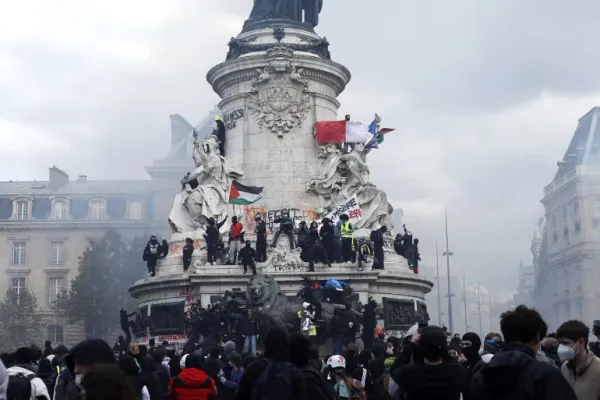
In its latest criticism, ICCL said the Criminal Law, Civil Law and Defence (Miscellaneous Provisions) Bill 2026 grants Gardaí the power to compel people to remove face coverings, arguing the measure could have a "chilling effect" on the constitutional right to peaceful protest. The organisation also criticised FF/FG for introducing the provisions at a late stage of the legislative process, limiting parliamentary scrutiny.
ICCL further expressed concern over new provisions placing the Defence Forces' "aid to the civil power" role on a statutory footing, warning there is insufficient clarity on how military personnel could be deployed during protests. The last time this happened was during the April 2026 fuel protests, which the State broke up through the use of the military. The State is now seeking to normalize involving the military in civil affairs.
The criticism comes amid a broader series of warnings from the civil liberties group over expanding policing powers. During debates on the Garda Síochána (Powers) Bill 2026, ICCL called for stronger safeguards around stop-and-search powers, protections for journalists' sources, and greater oversight of intrusive Garda search powers.
The organisation has also questioned the nationwide rollout of Garda body-worn cameras, arguing the Government has failed to publish the final evaluation of the pilot scheme before committing €150 million to the programme. ICCL says clear evidence, transparency and independent oversight are essential before such technology is expanded.
Separately, ICCL has criticised proposed AI-powered biometric surveillance powers contained in the Garda (Recording Devices) (Amendment) Bill 2025, warning the legislation risks diverging from safeguards contained in the EU AI Act and could weaken protections for privacy and other fundamental rights.
These measures signal a rapid expansion of Garda powers while legislative safeguards and public scrutiny have failed to keep pace, and the working class must resist, at every turn, such an unprecedented expansion of State power.