A Bottle of Lightning
During my time in Brittany I participated in many Assemblées Générales (AG). In Rennes alone, arguably the capital for such organizing philosophy, during my time there were around 15 separate AGs ranging from...
A few days ago I published on Aontacht an article titled "The Time Between Lightning and Thunder" which was written in order to highlight the need for left-wing and revolutionary organisers to intervene in spontaneous social movements as quickly as possible. If you are reading this article before that one then I would recommend you to have a gander at it before continuing here, especially if you have questions over why such intervention is necessary in such movements.
If that article tackled the why such intervention is needed then, as promised, this article will attempt to tackle a potential for how to intervene, how do we trap this rhetorical "lightning" into a bottle?
Many left-wingers did, in fact, involve themselves in the Irish Fuel Protests. I myself intervened in my local protests out in the midlands. In Dublin, we saw groups such as Anti-Imperialist Action involve themselves by bringing in anti-imperialist arguments, as well as material help in the form of a makeshift, mobile café. Such efforts should be commended, as they certainly added positively to the protests there.
These efforts big and small, many I am sure went unnoticed in more local, smaller protests, do not however tackle the wider questions I raised in my previous article. How are we to streamline the organizing of such a movement? How do we make decisions democratically, when we cannot rely on the apparatus of unions or other large organizing structures?
As in my previous piece, I would like to respond to this with my own experiences, both the successes and failures of organizing through public, general assemblies, and the potential of them to be used in Ireland in situations such as the Fuel Protests, if we invest in creating a political culture able to harness them.
Below I will talk about constantly organized general assemblies I participated in during my time in Rennes, Brittany. Due to the culture of Breton and French organizing, many such assemblies are able to be kept afloat even outside of social movements, but will then be given huge boosts of numbers during periods of protest and revolt. My recommendation would be to form assemblies whenever and wherever you see a potential for them, so that a structure and culture for them are already in place to call sessions, for example, at the beginning of the next spontaneous or organized social movement in Ireland.
They may work if you create them spontaneously at the beginning of a social movement when organizing energy is at its highest, but this leaves very little room for error, especially in larger cities where your numbers may not be dozens but could go into the hundreds if the appetite is there for them.
________________________________________
A Brief Overlook on Organizing Assemblies
During my time in Brittany I participated in many Assemblées Générales (AG). In Rennes alone, arguably the capital for such organizing philosophy, during my time there were around 15 separate AGs ranging from tackling issues of homelessness and refugees sleeping rough to environmentalism, anti-fascism and student life. Every university campus also had an AG of its own, but the cream of the crop was certainly that of the AG Rennes 2 (AGR2), where I participated regularly as a member of a revolutionary organization.
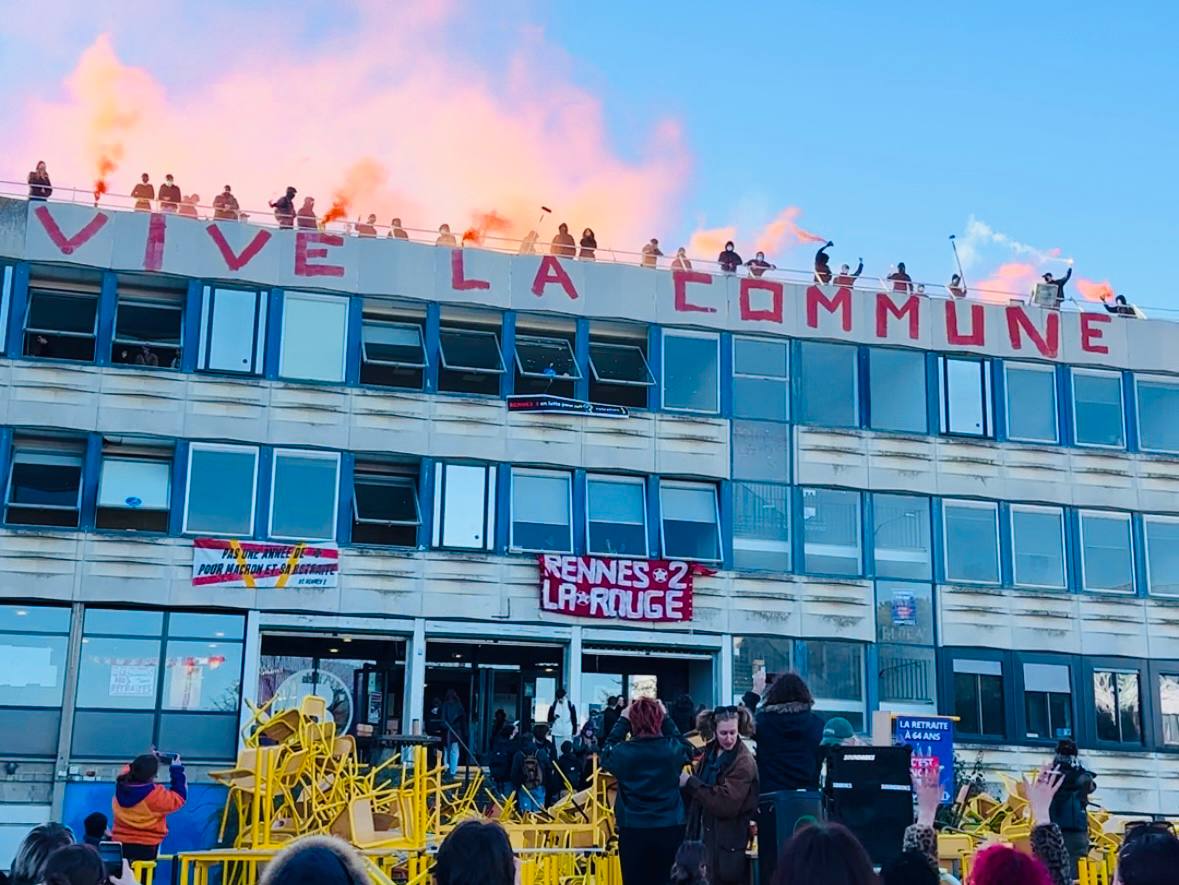
Rennes 2 is the largest uni of Rennes, based in a working class area of flats called Villejean. The nickname of the campus is "Rennes 2 La Rouge" (Rennes 2 The Red), due to its constant status as a hotbed for radical, revolutionary organizing in Rennes going back to the summer of '68 uprisings. Importantly, although the other university AGs of Rennes, and most across Brittany and France, are defined as to be representative uniquely of their campus' student body and employees, AG Rennes 2 defines itself as a working class AG, allowing groups not explicitly student-led as well as the wider working class to participate in its structures.
This also gave a mandate to the AGR2 to intervene on any subject it esteemed to be of importance, from social movements, student issues, anti-fascism, critiques of the state and the list goes on, all on a very radical line.
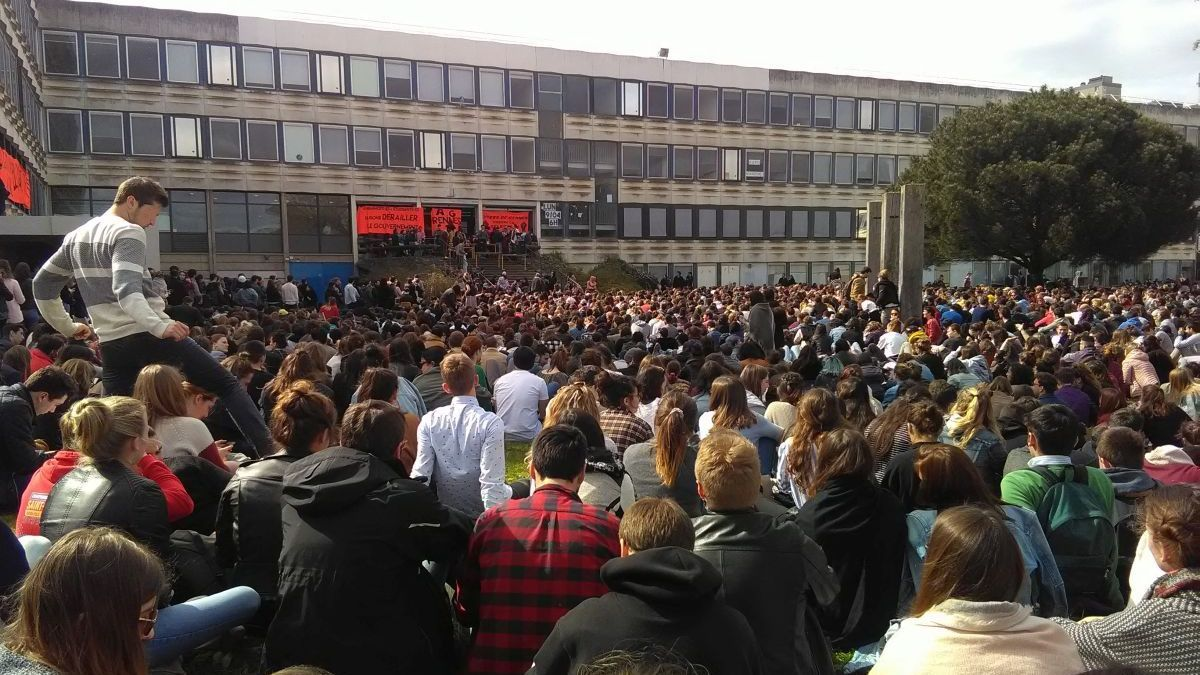
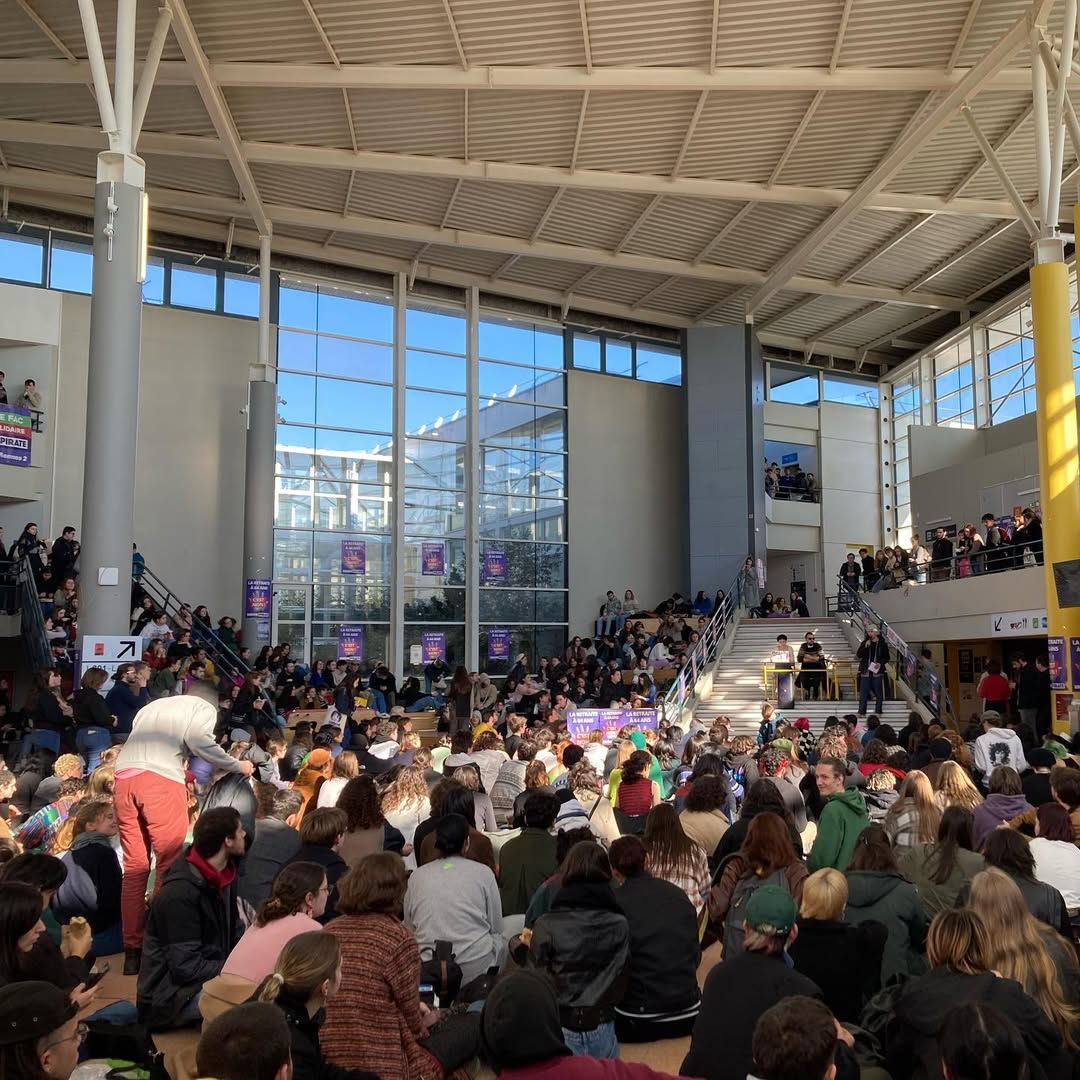
A second, impressive AG I participated in regularly was that of the AG Antifasciste de Rennes, or the AG Antifa for short. This, again, would organize itself on the campus of Rennes 2 due to the campus being open to the public, and again anyone and everyone would be allowed to participate. There would be much crossover between the AG Antifa and AGR2 due to them both occupying the same physical space, but whereas AGR2 was and still is intersectional and a sort of jack-of-all-trades AG, the AG Antifa focused solely on questions of anti-fascism and militantly combating the far-right through sheer numbers and smart strategy based around those numbers. I will give examples of both of these organisations' successes further below.
In the third and final article of this mini-series I will delve more in-depth into how these AGs worked on a technical level, but for the sake of here and now all that need be understood are the following points:
-The AGs would be chaired by reps from various organisations and individuals who would volunteer in advance, each with varying roles but above all in order to facilitate debate amongst participants. The chair would normally have between three and five people on it if large numbers were present, but other times only a single chair was needed to facilitate debate, and a second in order to record the minutes.
-Anyone and everyone would participate in these AGs. I participated as a member of a group and we would often hold meetings in advance in order to perfect our proposals for the sessions, along with brainstorming how best to argue them, and counter initiatives we did not believe in. We would then vote as a unified bloc in the sessions, as would every other organised group.
-Many were also participants on an individual basis, going along with friends and comrades. These people were also, of course, welcome to propose anything they wished, allowed to debate for or against proposals, and vote whichever way they deemed fit.
-Voting would happen at the end of sessions, where you had the option to accept, abstain from, or decline proposals.
-Committees would then be formed in order to enact the mandates given during voting, often straight after the AG session ended for pressing matters such as organising of actions or protests.
-Action committees to plan anything physical, such as actions or strategy in order to achieve a goal in protests etc.
-Communication committees to plan anything online, such as graphic design, making of posters and printing of posters, texts both internal and external etc.
This, in a nutshell, is how most AGs would function. Again, I will go into the apparatus more intricately in the next article.
________________________________________
The Potential of Organizing Through General Assemblies
I was present in Rennes during the Pension Reforms of 2023, and so participation was huge in the AGR2. At the height of the movement we could have 3 protests in a week, with an AG before each to decide on what to do during and around them. I remember vividly the main hall of building L of the Rennes 2 campus being full of multiple hundreds of participants for the sessions of AGR2, sometimes people would need to be outside with the doors left open, due to there being too many inside of the hallways. As the weather got better, we would host more sessions outside.
These numbers would often transform into nearly 1000 in protest blocs, the tip of the spear of revolutionary goals. Many would impressively participate in the AG sessions, even more would follow our announcements online and come to participate in actions.
To relate to the recent Fuel Protests in Ireland, there is a specific campaign of actions we partook in during the Pension Reforms of spring 2023. We identified that one of the best ways to strike directly at the government and attempt to make them back down was to strike at the economy.
AGR2 voted to block all major entrances into Rennes, in collaboration with other AGs in the city but led by us. The first attempts were so successful that AGs in other cities were inspired to do the same, and so came the 'Villes Mortes' ('Dead Cities') campaign across Brittany and the west of France, where AGs in Rennes, Brest, Nantes, Lorient, Quimper, Paris and others all collaborated in order to block exits off of dual carriage ways and motorways into their cities at the same time.
Thousands participated in these actions, and it cost the government hundreds of millions of euros. We also collaborated with workers in refineries and fuel depots to block them, workers for bin companies to stop the collection of rubbish within cities. Public transport workers and workers of the national electric company EDF planned their actions around what we were doing to incite maximum possible damage upon the government. Everyone would try to compliment each other's actions, and at the centre of it all was the apparatus of our Assemblées Générales.
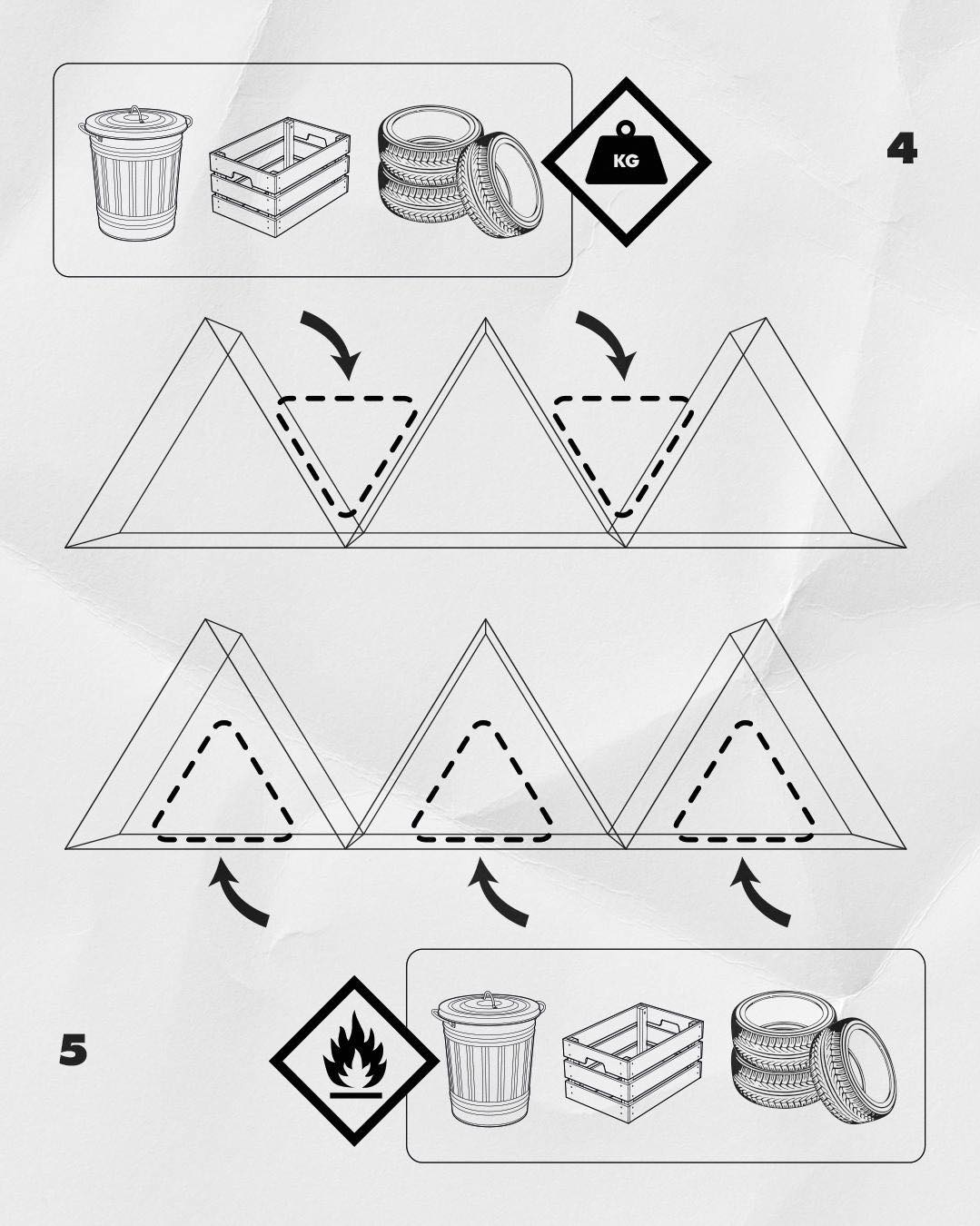
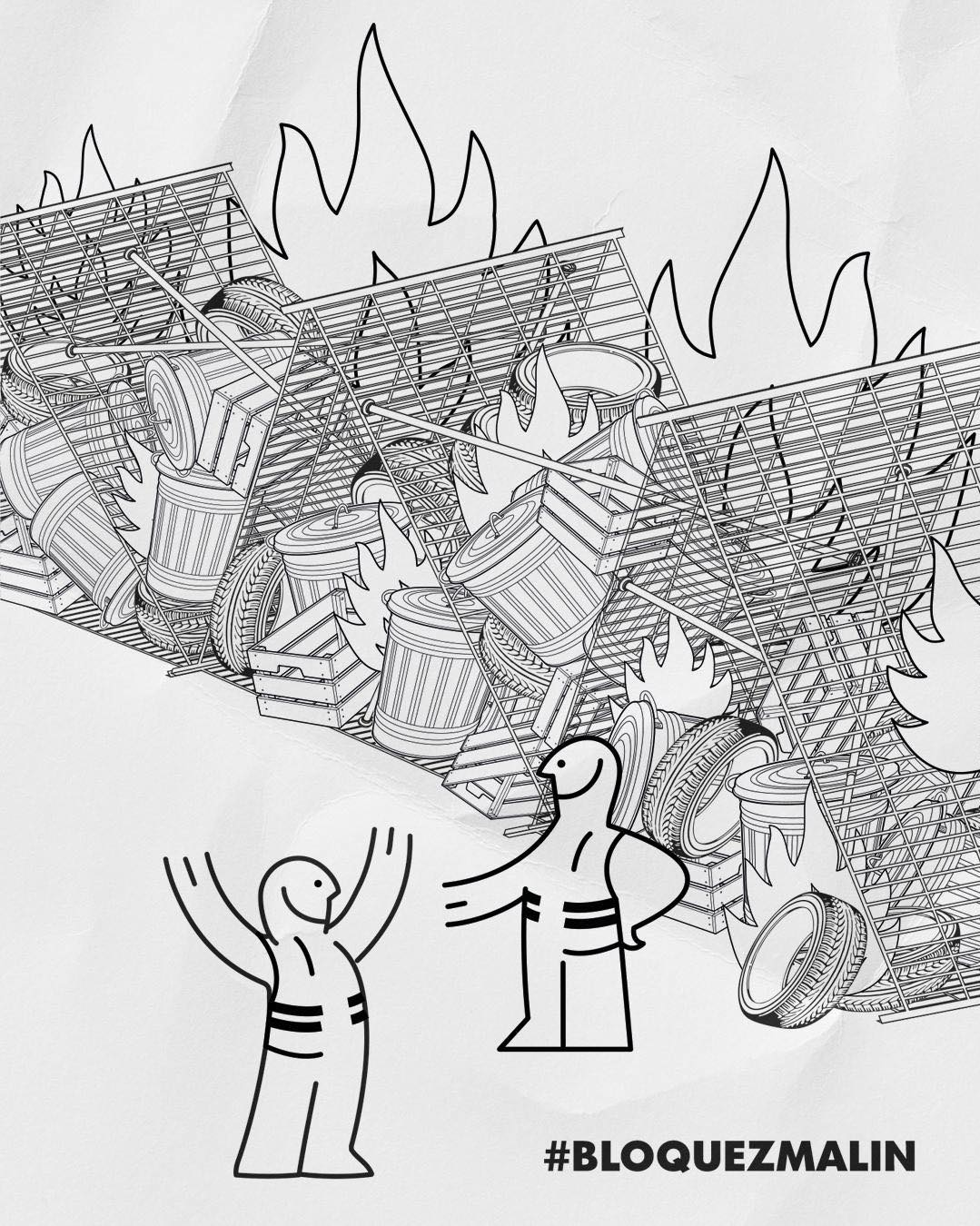
On a more grassroots, local level, the AGs would host workshops to teach people how to make materials for actions. Everything from banners and œufs de peinture (eggs filled with paint) to barricades developed in Hong Kong during their revolts, deployable quickly onto the streets with minimal people and minimal materials for maximum effect. Thousands upon thousands of people would participate and learn these tactics over the course of this movement. It was imperative to the philosophy of the AGR2 that we not only impose these strategies and tactics against the state, but also that we educate anyone and everyone on how to do it themselves.
I remember clearly that a team of us from Rennes, around 12 of us, travelled to Nantes one evening in order to show the AG down there how to build the 'Dragon's Teeth' barricades from Hong Kong, and put them to the test. Around 40 of us total assembled at 5am on the Université de Nantes campus, and headed towards the motorway. 40 would normally not be nearly enough to block the motorway, cops would be able to disperse such a small crowd quickly. These barricades gave us the edge over them, and the mobility to outmaneuver them.
Some materials were hidden on the way to the target site the days prior, but most could be picked up randomly along the way, from bins and trollies to pallets, construction barriers and tyres. These barricades were designed to be quick and easy to assemble, then lit on fire. 40 of us managed to block half of the traffic around the Nantes ringroad for nearly 6 hours while only needing to be on site for barely 1 hour, a feat you would normally need well over 100 very determined people staying until being forced away in order to accomplish.
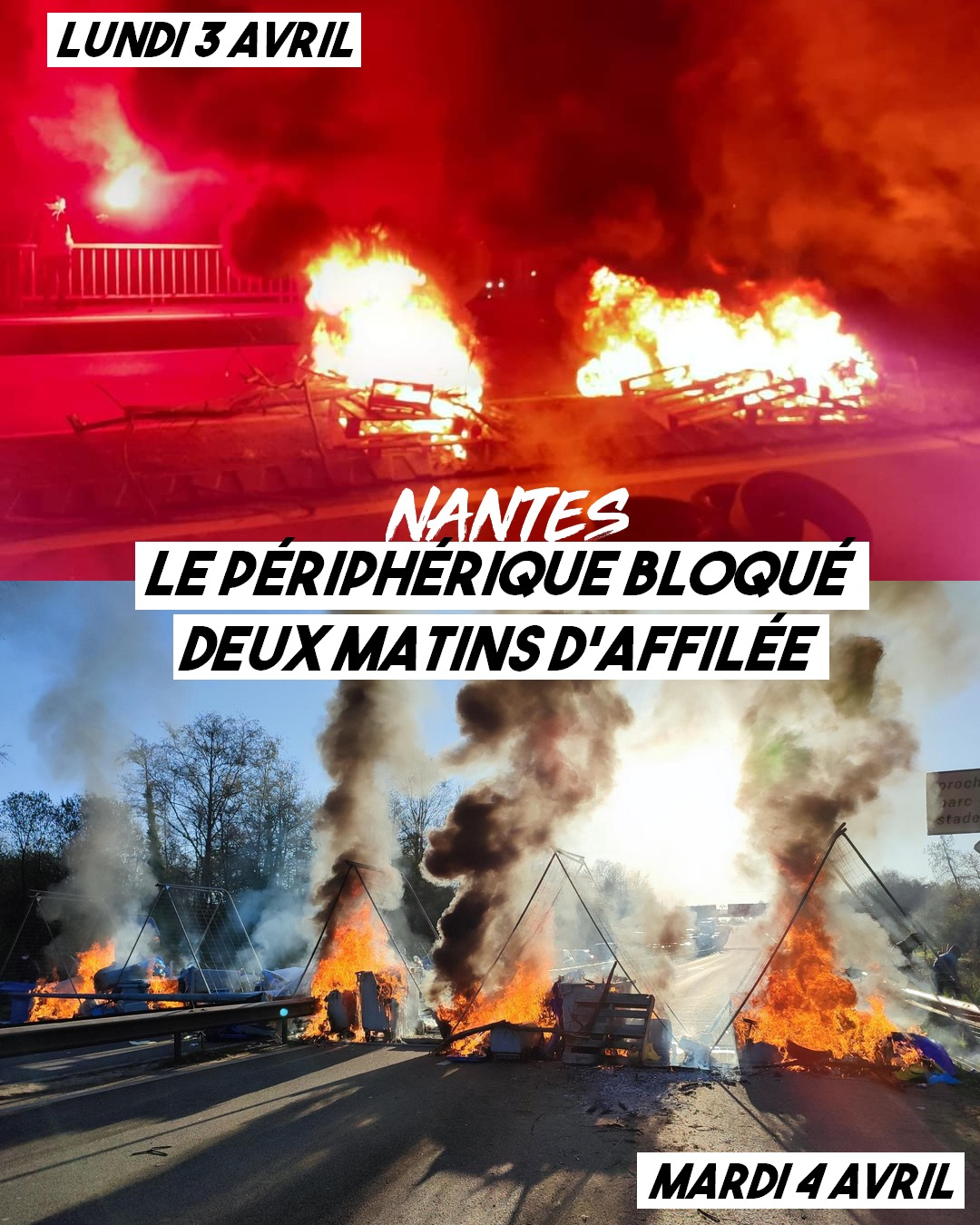
The following is a video we shot and published on the (unofficial) instagram page of AGR2, voted and mandated to spread the technique as far and wide as possible once we knew how much potential it had. Massive big up to Hong Kong for having developed such a thing, their engineering school must be excellent. The video is of course in french, but gives a good view of how the barricades are assembled bit by bit.
Along with the video here is a pamphlet detailing how to build them briefly shown in the video above, which we made with the idea of the pamphlet being readable by anyone internationally. Ideas for the next time a refinery or port is to be blocked maybe?
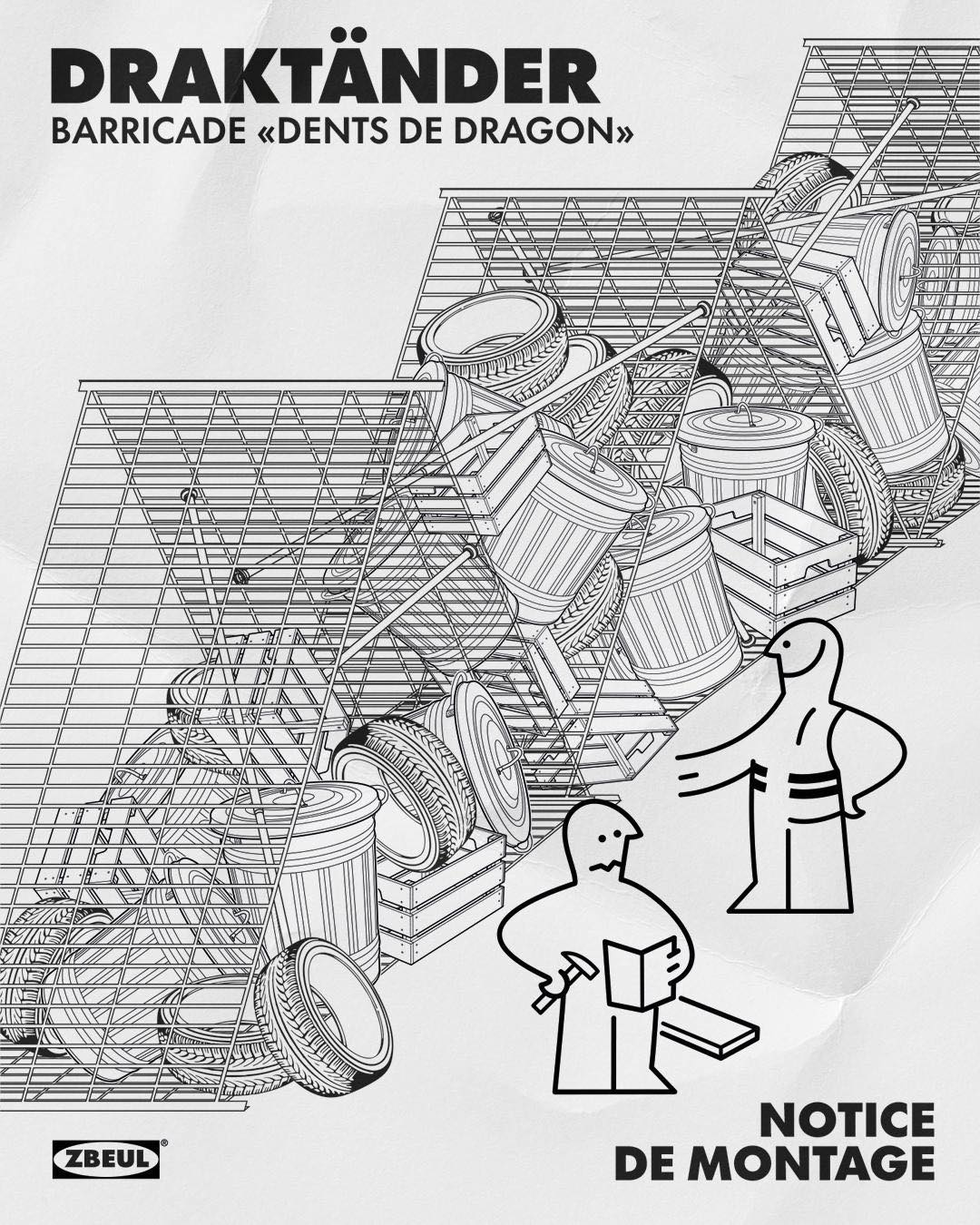
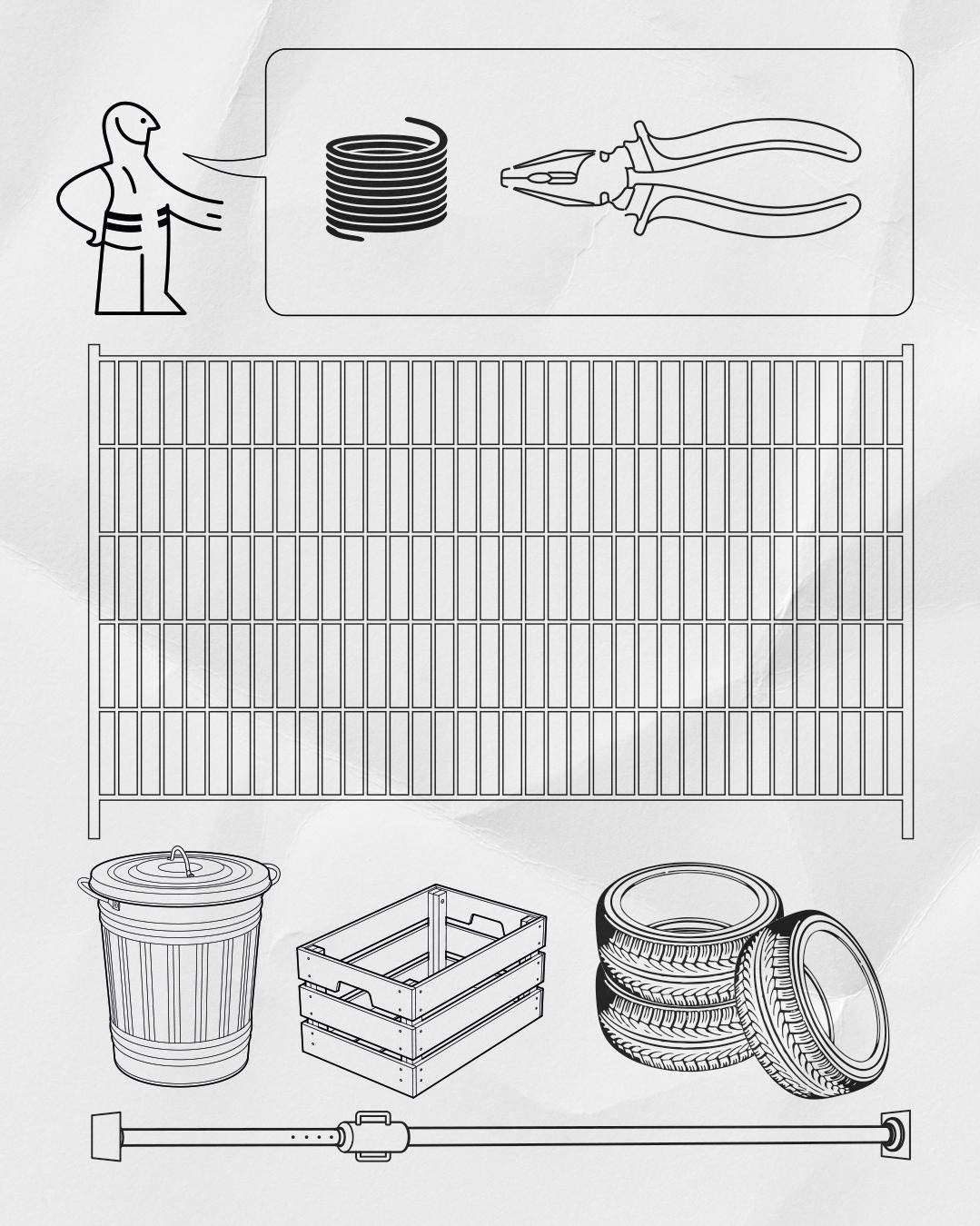
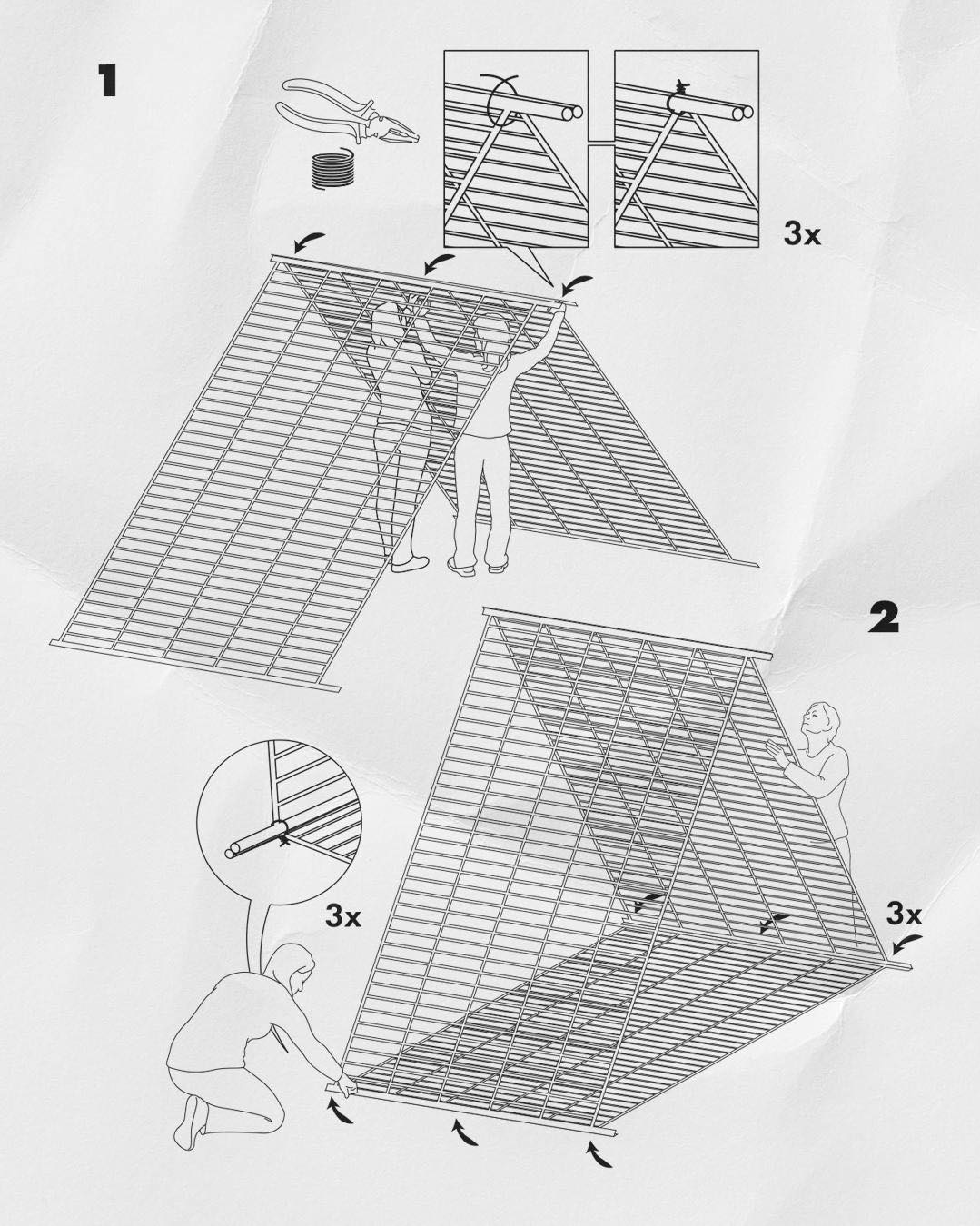
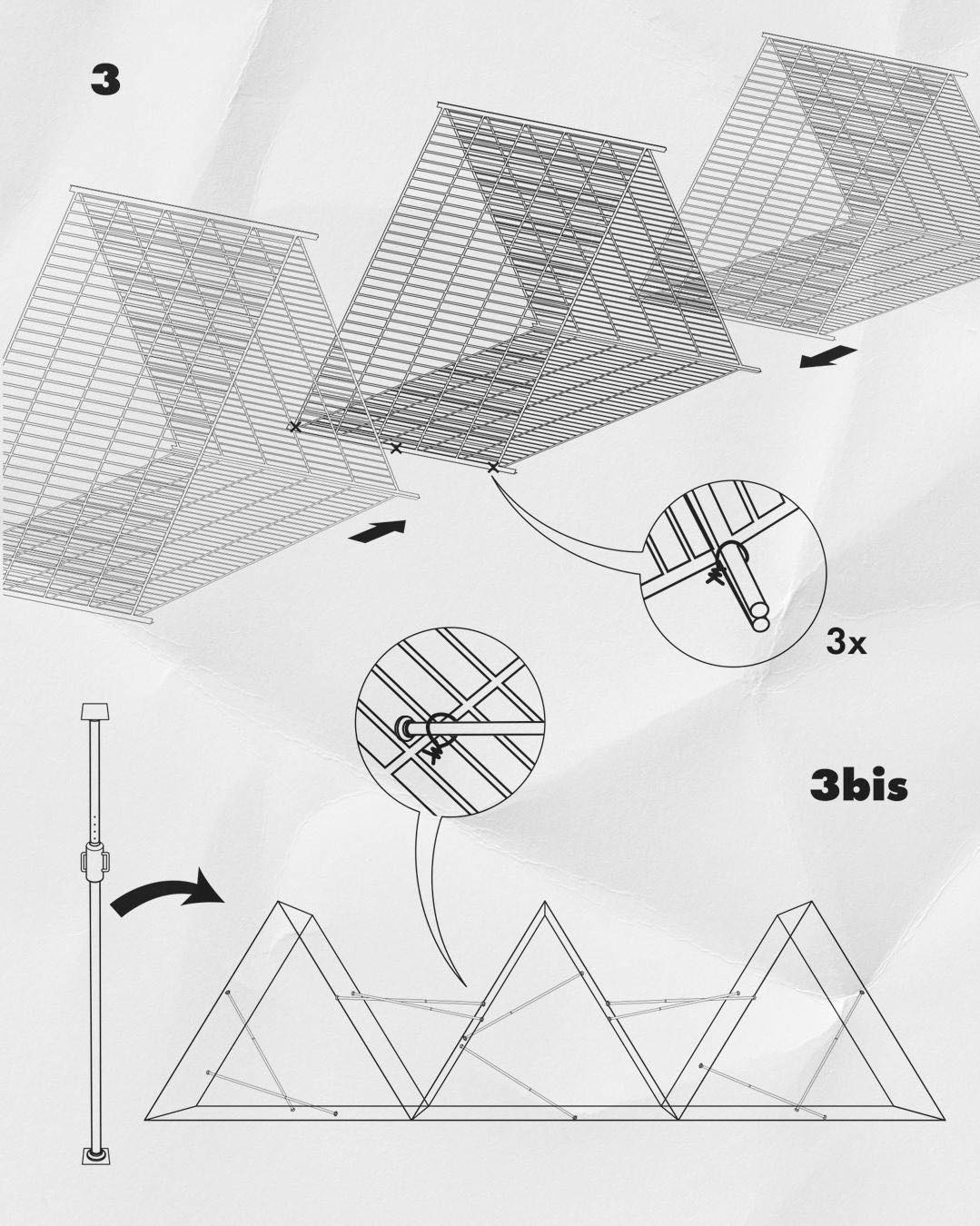
For the AG Antifa, it was a different terrain of activity but still very worthy of mention. Rennes during this time was very particular, in that there was no designated AFA group in the city, deemed unnecessary due to the affluence of the AG Antifa. This is no longer the case, there are designated groups who have since formed, but not because the AG Antifa was not successful in what it was doing, more due to the want of comrades to do more.
There are two instances of the AG Antifa imposing itself that I want to mention.
The first was during the autumn of 2022. We had gotten wind during the week that a local fascist group (Action Française at the time, since rebranded as 'Oriflamme') were hosting a major meeting somewhere in the city. We could not find out where, but previous occasions of such meetings had thought us they would often set out after a meeting, being drunk, to 'hunt' leftist comrades and any LGBTQ people they could find.
The AG Antifa mandated that we would publicly call for a 'veille antifa', basically a call for people to hang around the centre and wait to see if the fash would make a move. We set up a sort of trap, putting most of our people on to the terraces of two neighbouring bars known in the city as where comrades would drink. Most dressed as normal, only having a covid mask at hand to put on when shit hit the fan, so as to blend in. Few knew how many of us were actually present, but the call reached hundreds on our Signal group chat alone. Those of us in the know knew we had the numbers to counter anything that happened.
Around 11pm, 15 fascists turned up on the edge of the terraces. I was on the table furthest to the edge of the road, turned around when I saw a comrade's gaze fix on something, and there they were gawking at us from the road only a few feet from me. Little did they know that there were about 80 of us with pint glasses we had been keeping to the side for this moment, flares to be lit and used as batons and megaphones ready to make a lot of noise. The whole of the terrace erupted in a wave of breaking glass, chairs being flung and tables turned into barricades, illuminated by the red flames of our pyro. The fash were slaughtered in a mêlée that lasted no more than two minutes. They ran with tails between their legs, but we weren't done.
We broke into a march, charging through the city looking for them, and letting everyone know that there were more of us than them and that they would only ever be greeted with the same intensity if they ever tried something like that again. We caught two of them after a time, alone and abandoned by their "comrades", as cowards always will. Never, not before nor since, have I ever seen such a level of spontaneous anti-fascist organising bear so much fruit by so many people at once. It was a sight to behold, and all of it was voted upon democratically by participants of the AG Antifa.
The second example I will mention was a protest at Saint Brevin-les-Pins in April 2023, a small, drowsy town to the south of Rennes, around 2 hours drive from the city. This was the second of 3 counter-protests held there, but the second was the most action packed because the first was only a load of older far right voters, and the third the militant fash did not show in force due to the defeat of the second demo.
The far right were present due to an immigration centre being expanded in the town. The whole of Brittany and the west of France, from Paris to Bordeaux, had militant comrades present at these protests. The far-right had successfully protested their way into a similar project being abandoned in Callac, Brittany the year before. The movement was determined not to allow them another victory without a serious fight.
The AG Antifa of Rennes mandated we send as many as possible to Saint Brevin, being as aggressive as possible in stopping the fascist demo, and if that failed then we were to be as aggressive as possible against the fascists themselves.
25 of us showed up that morning to make the trip, but we were to link up with our counterparts in Nantes, who were closer to Saint Brevin and they matched our numbers. In total there were around 400 of us who made the trip from across the country, maybe 80 militant comrades or so prepared to face down the nazis.
We started by occupying the square where the fash were to assemble two hours before they were to arrive. For an hour we listened to speeches and ate lunch, speaking with comrades from various other groups. Eventually the cops pushed us away from the square with batons and pepper spray. We fought them a little, but knew we were not there for them.
A thing to be understood with AGs is that we vote and mandate objectives and mentality mostly. The details of tactics and strategies are decided in the committee meetings only by the people who will carry out the will of the democratically decided decisions. Everything that I explain below and above in terms of militant action is discussed and decided upon in those meetings, not in the open sessions for obvious security reasons. The sessions give us the mandates, the committees decide on the details.
We had such meetings leading up to this protest. We knew in those meetings we could not hold on to the square where the fash would assemble. So it was decided that we would have people stationed on electric scooters we brought with us around the entrances of the town, looking for the fash and where they parked their cars. This way we would know the direction that the real nazis would walk into town from.
We also knew that many from other cities who were not working with us would attack the police lines with fireworks, eggs and other projectiles as soon as they formed up, fixing the police on certain street corners.
We used the info we got from our scouts, and the police being fixed on the wrong side of the fascist assembly point to give ourselves in the organised AG bloc the time to lead the protest around them, giving the impression we were abandoning the square, when really we made a b-line for the nazis while some comrades stayed behind to continue pinning the cops with fireworks. The cops could not move without risking the far-right OAPs already in the square taking fireworks to the face. We played them like fiddles.
We arrived on a long road where we could see the nazis marching down, around 200m in front of us. There were about 130 of them, and a bloc of maybe 60 comrades on our side, backed up by about 200 protestors at our backs. The fash passed by a construction site as they walked towards us, and picked up bricks and other materials to hurl at us once close enough.
We didn't anticipate that, but we were prepared for it. Months of protesting in the social movement had refined us from Rennes and Nantes into teams of umbrella lines to block police projectiles and we had the experience of building makeshift barricades from everything we could get our hands on. 60 of us were able to hold back 130 of them easily enough to a stalemate, and what they didn't count on was that every brick they threw at us would be cushioned by our brollies and then thrown back at them.
Because of the umbrellas, only 4 people on our side came away hurt from the encounter, but around 40 of the fash were seen to have faces covered in blood and limping as they moved away. We were winning the fight by a mile.
The only reason they moved off was because after 10 or so minutes of fighting the cops finally caught up to us and tear gassed the street. The fascists weren't prepared for this but, once again, we had the experience and equipment to continue in the gas, having masks and goggles on hand.
We followed the fash through the gas, keeping them running but not looking to actually catch them, we wouldn't have the numbers for a straight brawl. Eventually they peeled off towards their protest, but we continued running straight. We knew where they parked their cars.
We found a car belonging to a fascist from Angers. We pillaged it for his flags, propaganda, phone, laptop, and then burned the car to a crisp. Hope he had good insurance, not sure how he got home though.
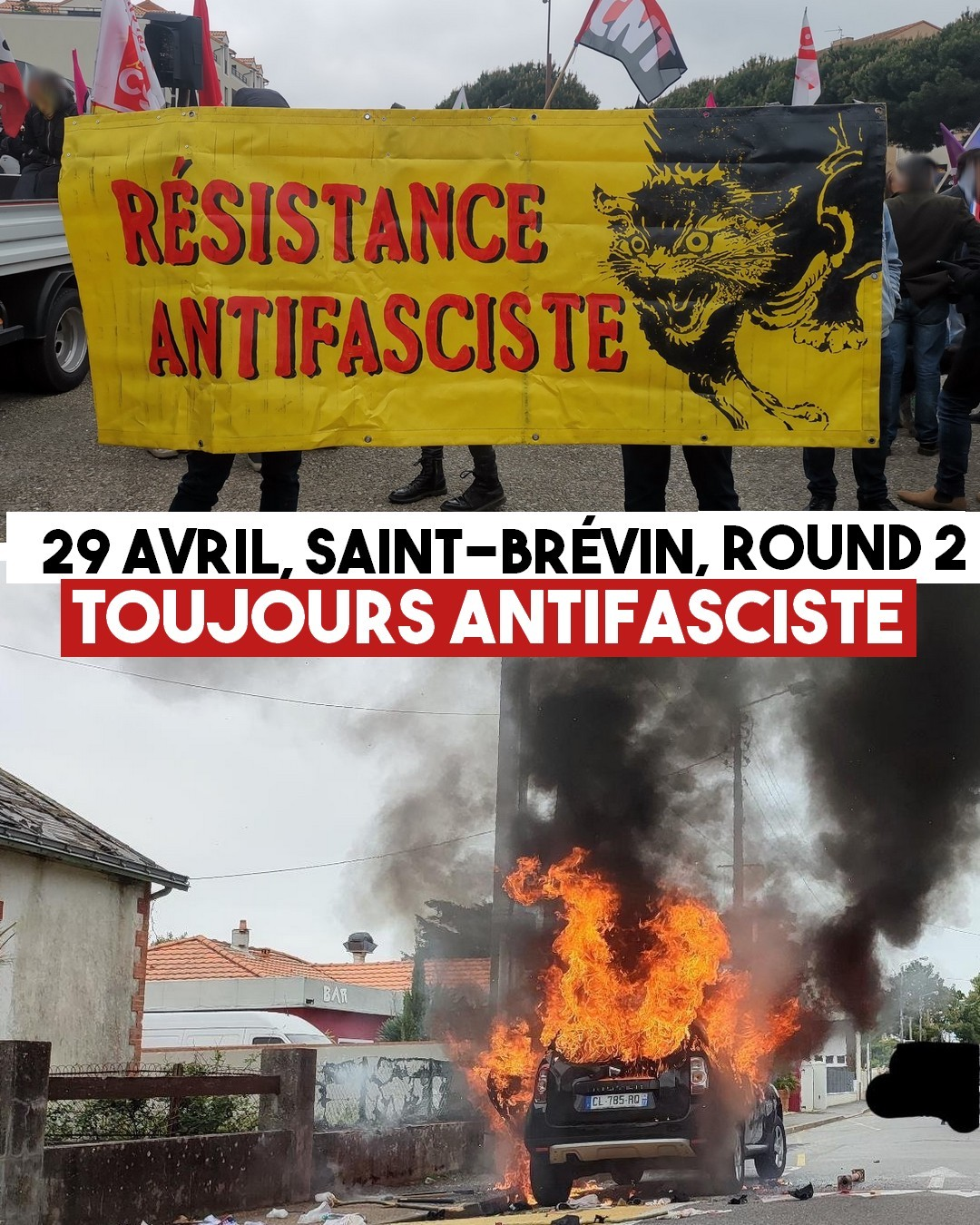
With such defeat, the bastards didn't return for the third round of Saint Brevin-les-Pins, although they would go on to firebomb the mayor's home a few weeks later, forcing him to resign. We did what we set out to do though, we made the cost heavy for fascists to organise in such a way so openly.
We could do all of these actions so openly for numerous reasons, but a thing to keep in mind is that a government cannot ban a public assembly or sanction the people who participate. Hundreds participated in voting across months, how is the state to pick out those of us who organise meaningful action through them? They would have to arrest us all, the resources needed would be enormous, and mainly they would catch people who only participated in the mandating of actions, not the planning of them or the actions themselves.
On top of this, all actions were democratically decided upon. We had the legitimacy to say we were only acting out the wishes of the AG. Cracking down on the radical action of a group is easy for the state, cracking down on a movement of so many people is near impossible. This is the strength of organising this way, and it should be explored and used by revolutionaries where numbers are available.
________________________________________
DAFA's Positives and Lessons
In August 2024 a small group of autonomous activists and militants came together to form DAFA, the Dublin Anti-fascist Assembly. Myself and other comrades from France and Europe came up with the idea to launch this project, to see if we could inspire a similar assembly movement in Ireland as those in Europe. We launched with the participation of a few groups (which I will not name) and a collection of individuals from all walks of left-wing organising.
The project lasted around two months, but collapsed under various pressures of factionalism and inter-personal drama which myself and European comrades naively failed to anticipate. I myself have many regrets with this project as I succumbed to the pressures and ended up adding fuel to the fires within the DAFA.
At the time when founding DAFA we should have been much quicker in organising members into mediation roles, and writing a constitution to guide people on how to act and not act within the assembly along with procedures for any and all predictable scenarios. We should have been quicker to identify that the culture and experience which some of us had gained in Europe could not be solely relied upon, and that a more fixed, transparent way of organizing was needed.
Problems such as some groups wanting other blocs to be kicked from the space by the founders (which went against our ideals), or members partaking in the surveillance of refugees organised through DAFA only to call the cops once far-right streamers showed up to harass them (something I very much disagreed with based on revolutionary ideals but did not manifest in the ways that were at all appropriate) led to the downfall of DAFA as an organising space.
If I had it all to do again I would want to do it differently, and I am sure many feel the same. All of this should not be seen as a reason to abandon such organising however, as in the short time it existed DAFA managed two major examples to show its potential.
The first example are the attacks by the far-right on Little Big House, a squat which was set up in order to house refugees in Dublin by activists in the squatting scene who were also DAFA members. Fascists spent 3 days harassing and attacking LBH, firstly giving a warning to occupants that they had 24 hours to vacate or else would be attacked. That attack came, and the response to it came from the DAFA group chat. People used DAFA to organize relief efforts, a small demo after the first attack and then, again, the responses after the second attack during the afternoon on the third day.
People flooded into the DAFA group chat in order to organize all of this, and in hindsight this can maybe be attributed to the eventual collapse of DAFA as so many people had joined without knowing what the group was originally intended for. What this does show however is that if such a group is available for organisational purposes, then people will absolutely use it for that purpose.
The fact that we fumbled this thereafter shows that, to reference the previous article, we failed to trap our lightning into a bottle. But it is also an example that if thought out better then there is absolutely an appetite, at least in Dublin, for this form of organising
The second example is that of a counter-demo in September 2024 called by UAR against a fash demo. It was the end of the summer recess at Leinster House and, as had happened the previous year, the far-right called a protest for it. In 2023 they almost managed to get inside the building, forcing politicians to suspend the session and flee due to security concerns. No tears shed for poor Simon Harris and his ilk having to flee in such a way, but it showed the dangers of a far-right growing in confidence.
Knowing UAR would only ever statically remain at the mouth of Grafton Street to look at the far-right, about 20 comrades organized through DAFA to both track the far-right present at the protest, and also have a bloc within the counter demo. The guards blocked the main protest body behind barricades, with Public Order Unit (POU) at our backs giving the UAR organisers a sense we were trapped, but we anticipated this. Some of us got out of the barricades in time, made up Dawson Street and came out behind the POU on Grafton Street.
Once we were there, comrades walked through the POU line without any issue, we were correct to think it was a bluff. We lit up some pyro and marched up to Molesworth Street. There, our flares unfortunately went out and we had no more with us. The garda put two uniforms on bikes on the street to act as makeshift barricades, and UAR re-caught the energy of the protest from there. We begged UAR to give us their mega and allow us to make a dart for the Dail. No gardai other than the two on pushbikes were between us and the fash demo at that point, but of course they refused us and allowed the opportunity we gave them on a plate to fall to the ground.
Happy to begrudgingly follow us that far, but UAR then proceeded to tell us off for having put the safety of protestors at risk. All bark and no bite as usual from UAR, happy to share images of pyro online in order to seem like they're radically opposing the far-right on one hand, but will with the other hand condemn those of us who actually want to go further and do something about it. Their hypocrisy is a known blocker of any meaningful anti-fascism within counter-demos, thus why so few militant orgs ever show up to them.
In any case, what this showed is that the potential and appetite to organise against the far-right more militantly than the wet towels of UAR is there. If we had a few more sticks of pyro that day, a banner and a megaphone we absolutely would have been able to lead the protest to the far-right and directly oppose them. Considering that by this point DAFA was near the point of collapse it is still impressive that so many were willing to organise through it, and believed that the organisation could become something meaningful.
_______________________________________
Conclusion
Between the examples I have exposed from Brittany, and the lessons we have been able to learn from DAFA, I hope that anyone reading this will be able to take away one thing from this text : that if organised correctly, with a more refined foundation than DAFA, then there is a huge potential for this form of organising in Ireland.
You need not organise purely around anti-fascism as we attempted to do. The examples I have given are all based around social movements and direct action, but these are extreme examples. If you wish to found a general assembly group in your local area in the countryside in order to tackle community issues that is absolutely possible. Feminism, LGBTQ+ issues, homelessness, republicanism, the housing crisis and more can all be subjects adapted to general assembly organising.
But as I mentioned, the failing of DAFA is that too few people have the experience necessary to "just do" them with a laissez-faire attitude, tangible organisation is needed to fill the gaps that a lack of experience creates. Structure and roles must be defined. The more they are done however, the more people participate in them, the more people will come to trust them as organising spaces.
Imagine a scenario where such platforms are mastered to the extent that we not only have a handful of constant assemblies across the country tackling various issues, but that during the next spontaneous movement akin to the Fuel Protests, general assemblies are able to sprout up all over the country, leading debate on what people wish to fight for, and how they wish to fight for them.
An assembly will be as moderate or radical as the people who participate in them wish it to be, but the importance is participation. Their strength is that they can centralize massive numbers for any given subject, allowing people to have a direct say in the organising of politics, activism and militancy in their area which is more inspiring to most than leaving the politics to “expert” clandestine orgs who cannot hope to match an assembly’s potential numbers in total, nor can they organise as many bodies on aligned strategies.
They can be set up quickly, and torn down when no longer needed. They can be constantly relevant if given the right arguments and reasons to be so. And they will allow democratic legitimacy to carry out whatever politics the assembly deems necessary, from creating a community garden or soup kitchen to the occupation of a building or calling for a demo against the far-right.
This is direct-democracy at work that anyone can set up or partake in, and to my eyes, it is the way forward for so many issues, if only we have the will to trap our lightning in bottles.