Ruling Without Remedy: Palestine, Grassroots Movements, and the Limits of the ICJ
International law has repeatedly affirmed the rights of the Palestinian people and the abuses of core features of the Israeli occupation. Yet the gap between judicial pronouncements and conditions on the ground remains stark.
Introduction
International law has repeatedly affirmed the rights of the Palestinian people and the abuses of core features of the Israeli occupation. Yet the gap between judicial pronouncements and conditions on the ground remains stark. This article examines the principal advisory opinions and provisional measures orders of the International Court of Justice (ICJ) that address the occupation, the Wall, and the risk of genocidal acts in Gaza. These proceedings establish clear legal obligations on Israel and third states. Their limited translation into tangible material change - continued settlement expansion, the persistence of the Wall, and severe restrictions on humanitarian access - underscores both the power of legal recognition and the necessity of political mobilisation to enable it. From a human rights and social justice perspective, several developments supply the normative foundation for non-recognition, non-assistance, and reparations demands that progressive movements must insist upon.
The 2004 Advisory Opinion on the Construction of the Wall
In December 2003 the UN General Assembly requested an advisory opinion on the legal consequences of Israel’s construction of a barrier in the Occupied Palestinian Territory, including East Jerusalem. On 9 July 2004, the ICJ held that the construction of the Wall and its associated régime are contrary to international law. The Court found violations of the right of the Palestinian people to self-determination, of the Fourth Geneva Convention (in particular the prohibition on the transfer of the occupying Power’s civilian population into occupied territory), and of human rights obligations protecting freedom of movement, work, health, education and an adequate standard of living. Israel could not rely on self-defence or necessity. The Court ordered Israel to cease construction, dismantle the structure situated in the OPT, repeal related legislative and regulatory acts, and make reparation for all damage caused. All States were placed under an obligation not to recognise the illegal situation resulting from the construction of the Wall and not to render aid or assistance in maintaining that situation, and States parties to the Fourth Geneva Convention were further obliged to ensure compliance by Israel with international humanitarian law.
The opinion remains unimplemented in its central demands. The Wall continues to stand, largely inside the West Bank, isolating communities, annexing land and resources, and facilitating settlement expansion. Over two decades later, the physical barrier has been extended and entrenched, rather than dismantled. This non-compliance doesn’t diminish the legal significance of the findings. It demonstrates that judicial clarity alone is insufficient without sustained pressure from states and civil society to give effect to the duties of non-recognition and non-assistance. The 2004 opinion continues to underwrite campaigns against settlement products, corporate involvement in the barrier’s construction, and diplomatic normalisation that treats the altered status quo as irreversible.
The 2024 Advisory Opinion on the Legal Consequences of Israel’s Policies and Practices in the Occupied Palestinian Territory
On 30 December 2022, the General Assembly requested a broader advisory opinion on the legal consequences arising from Israel’s ongoing violation of the Palestinian people’s right to self-determination, its prolonged occupation, settlement and annexation policies, and related discriminatory legislation and measures. On 19 July 2024, the ICJ delivered its opinion. It concluded that Israel’s continued presence in the Occupied Palestinian Territory is unlawful. Israel is under an obligation to bring that unlawful presence to an end as rapidly as possible, to cease immediately all new settlement activities, to evacuate all settlers from the OPT, and to make reparation for the damage caused. The Court reaffirmed the Palestinian right to self-determination as a peremptory norm in the context of foreign occupation and held that Israel’s policies and practices, including settlement maintenance and expansion, associated infrastructure and the Wall, amount to annexation. All States and the United Nations itself are under obligations of non-recognition of the unlawful situation, non-assistance in its maintenance, and the taking of steps to bring the unlawful presence to an end.
The opinion provides the most comprehensive contemporary statement of the wrongdoing of the occupation as such. On the ground, however, settlement activity has accelerated, with official reports showing that new outposts have been established, existing settlements expanded, land declared “state land,” and Palestinian structures demolished at high rates. The opinion’s findings on annexation and the duty to evacuate settlers haven’t produced withdrawal or a halt to construction. Its value sits in the precise articulation of third-state obligations. These duties supply a legal basis for states to review trade, investment, arms transfers and diplomatic engagement that sustain the unlawful situation. For social justice movements they confirm that continued material support for the occupation constitutes a breach of international law, not merely a political choice.
Provisional Measures in South Africa v. Israel (Genocide Convention)
On 29 December 2023, the state of South Africa instituted proceedings against Israel under the Convention on the Prevention and Punishment of the Crime of Genocide concerning events in the Gaza Strip. On 26 January 2024, the ICJ indicated provisional measures. It found that the right of Palestinians in Gaza to be protected from acts of genocide was plausible and ordered Israel to take all measures within its power to prevent the commission of acts within the scope of Article II of the Convention, to ensure its military does not commit such acts, to prevent and punish direct and public incitement to genocide, and to take immediate and effective measures to enable the provision of urgently needed basic services and humanitarian assistance. On 28 March 2024, the Court modified and reinforced these measures in light of the worsening conditions, including the spread of famine, ordering Israel to ensure the unhindered provision at scale of basic services and humanitarian assistance and to prevent any action that would impede such delivery. These orders are binding.
The provisional measures haven’t produced a sustained and adequate opening of humanitarian access, or an end to the conditions that prompted the orders. Reports of famine, restricted crossings, and inadequate provision of food, water, fuel and medical supplies have continued. The binding character of the measures nevertheless creates legal consequences for ‘third states’ - actions that risk exacerbating the adverse conditions of life, including suspension of funding for vital humanitarian operations or continued material support for operations inconsistent with the orders, engage their own responsibilities. The proceedings illustrate both the protective potential of the Genocide Convention’s ‘erga omnes’ obligations and the political obstacles to their realisation. They reinforce the demand that states move beyond rhetorical support for international law and take concrete steps - diplomatic, economic and legal - to ensure compliance.
The Role of Grassroots Movements
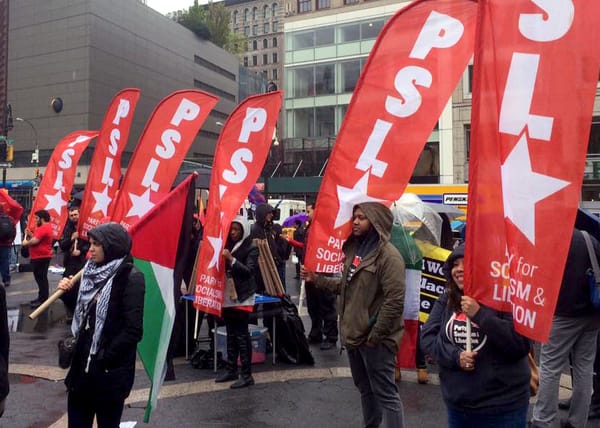
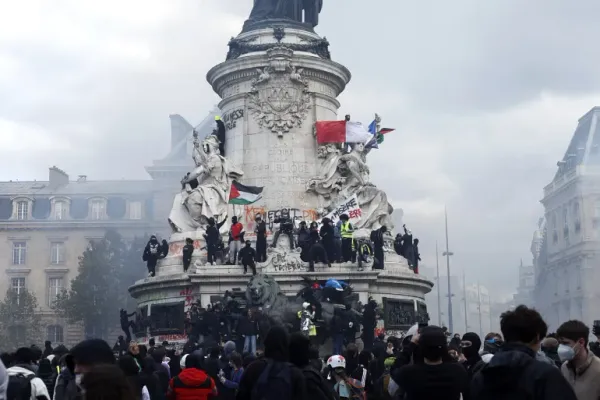
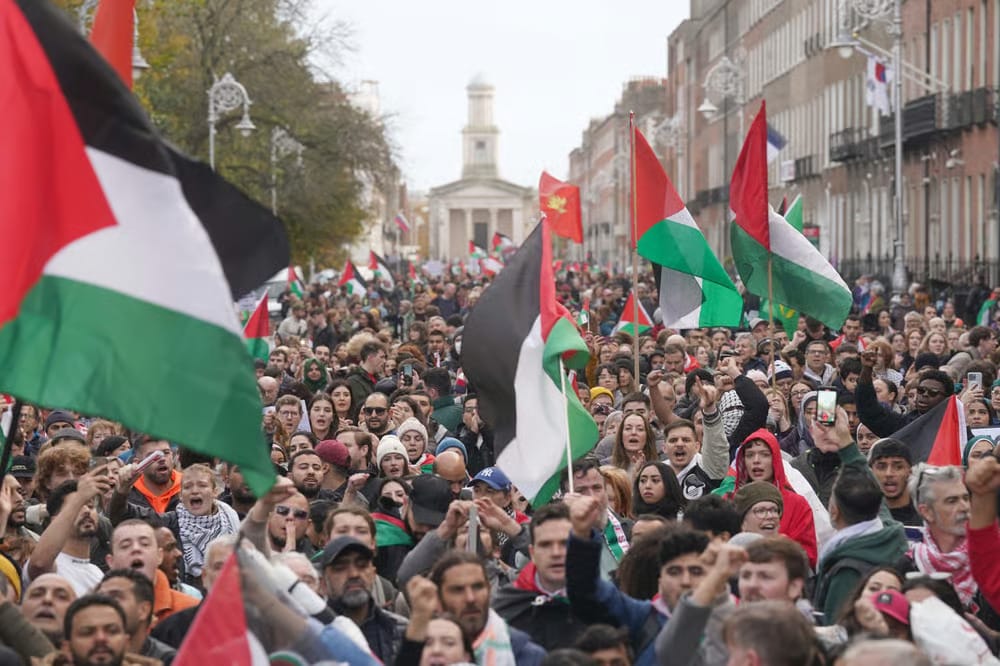
Grassroots movements translate the ICJ’s findings into sustained pressure for compliance. The 2004 Wall opinion helped launch the 2005 BDS call by Palestinian civil society, framing boycotts and divestment as tools to highlight non-recognition and non-assistance. The 2024 opinion on the unlawful occupation has been met with renewed demands from Palestinian organisations for arms embargoes, bans on settlement trade and investment (as outlined in a document published by a coalition of 84 organisations - including Oxfam, Catholic Agency for Overseas Development, European Trade Union Initiative For Justice in Palestine, Global Legal Action Network, and Trócaire), and concrete steps toward ending the occupation.
In line with the ICJ’s Advisory Opinion, campaigns focus on the economic infrastructure of occupation: documenting mislabelled settlement products, pressing for trade bans, and securing divestments from companies and funds linked to settlements. Activist groups and broader justice networks treat these duties as binding standards, raising the cost of complicity where governments delay.
Conclusion: Law as Foundation, Not Substitute, for Justice
The ICJ’s opinions and orders establish with lucidity that the occupation is unlawful, that the Wall and settlements violate fundamental norms, that the Palestinian right to self-determination is being systematically denied, and that states bear concrete duties of non-recognition, non-assistance and, in the context of the provisional measures, facilitation of humanitarian relief. Tangible material change on the ground has been limited, largely because powerful actors have chosen non-compliance and obstruction.
From a left and human rights perspective, these legal determinations are not currently ends in themselves. Instead, for those that support anti-colonialist and anti-imperialist approaches towards Palestine and international law, they’re tools that highlight the contradiction between formal legal equality and lived dispossession. Their implementation requires sustained political will - divestment from the occupation economy, cessation of arms transfers that sustain unlawful policies and practices, recognition of the duty to bring the unlawful presence to an end, and solidarity that treats Palestinian rights as non-negotiable. The law has spoken. The remaining task is to make its words material.