Organisation, Not Just Protest, Is Necessary For The Working Class Movement
Organising means more than temporary protest or support for individual politicians. It means building lasting structures rooted in the working class: unions, tenant groups, community organisations, education circles, and a disciplined vanguard party.
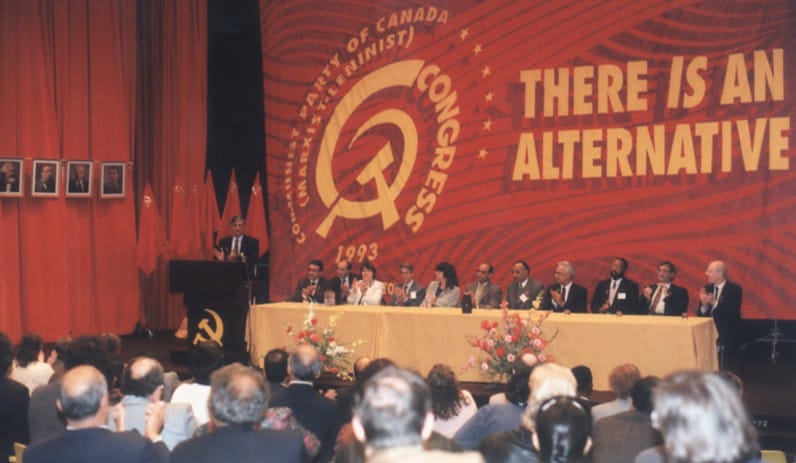
Organising means more than temporary protest or support for individual politicians. It means building lasting structures rooted in the working class: unions, tenant groups, community organisations, political education circles, and a disciplined vanguard party capable of uniting workers around shared material interests. The focus on electing a single leader who will solve problems from above is irrelevant, but developing collective power from below through solidarity, shared struggle, and class consciousness is not.
Capitalism keeps workers divided by race, nationality, religion, gender, age, competition, so organising is necessary to overcome these manufactured divisions and create real working-class unity.
But genuine organisation requires sacrifice, discipline, and long-term commitment. Sustained political work means giving up time, energy, and personal comfort to build trust, educate others, support strikes and campaigns, and remain active even when victories are slow or setbacks happen. Change is not expected to come quickly through elections or media attention, but through years of patient collective effort that develops the strength and confidence of the working class and the poor together.
“Organise” therefore means committing to a long process of building solidarity and institutions that can endure beyond any one protest, moment, or politician. That is why we argue that we must move beyond the spectacle of political performance.
Energy levels are low in the Pal movement. Two and half years of marching, standing, shouting, and sending emails is starting to catch up on well intentioned folk who say they became “radicalised” on October 7th.
Since weekly demos are no longer seen to be moving the dial, a new pattern is emerging. Every few months, a section of the newly formed activist scene rediscovers that politicians are dishonest. Shock spreads. And the performance begins.
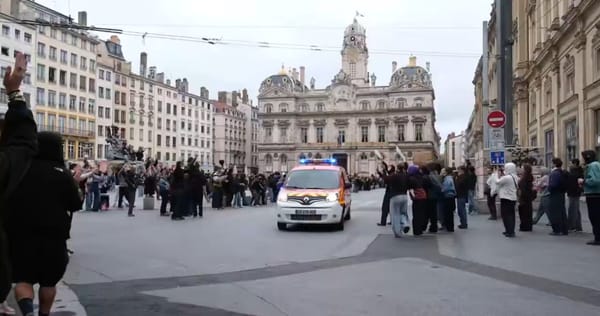
Sometimes it’s polite and respectful, with the mic being passed calmly around, other times there is pushing, shoving and roaring outside heavily guarded buildings or areas. It was the port last time, as far as I remember, and cue the action. Gardaí push people back, pepper spray is used, and phones capture the best revolutionary footage possible. By evening, Insta is full of dramatic clips of people who have got the power and who are alledgedly getting stronger by the hour. But by next week, everyone has moved on to brunch, burnout discourse, or the next outrage cycle.
But the question is, is this radical politics, and if so, what (transformative) change, if any, is it creating? Anger is good, and justified. The problem is not angry folk protesting. It is that angry folk, or contemporary protest culture, fundamentally misunderstands where power actually resides.
Politicians are NOT the architects of the capitalist system. They are middle management for capital. Irish politicians are Zionist puppets. They administer a social order where the boundaries are set by the Epsteined capitalist class, who manage the markets, property relations, finance, multinational interests, academia, media, and the basic requirements of Zionist dominated Western imperialist hegemony.
Governments come and go, but Zionist controlled corporate power remains. It remains in our universities, our media, our sport and cultural activities, and eventually trickles down into our communities via corporate grants and donations for our youth clubs, pocket forests, and clean-up groups. Capital dictates political reality regardless of which smiling TD careerist occupies a ministry.
Despite this being known, and obvious to the vast majority of the population, large sections of today’s new Pal activist network still behave as though politics is a morality play. They believe the crisis is caused by particularly bad individuals rather than structural class power. If only enough people shout loudly enough outside the convention centre, or the Dáil, or a constituency office, perhaps the minister will suddenly develop a conscience and dismantle the very system they exist to manage. This is liberalism in its purest form. Politics that is reduced to emotional theatre is adventurism. And adventurism is the enemy of revolution.
Ironically, many of the most politically underdeveloped people in society now wear the label “activist” most confidently. Most are years behind sections of the disenfranchised working class and poor who stopped voting and marching long ago because they already understood the scam. Working-class communities watched governments promise transformation for generations while rents exploded, housing became scarcer and scarcer, hospitals deteriorated, big charity business boomed, and entire neighbourhoods were abandoned and left to rot. They learned through lived experience that no election was coming to save them. Many withdrew from parliamentary politics because they understood the limits of the system more clearly than most of the professional-managerial Pal activists currently discovering “state violence” at age 46.
There is something darkly funny about watching middle-class protesters scream at politicians they enthusiastically voted for most of their adult lives while treating lifelong poor and working poor non-voters as politically backward. In reality, many of the so-called “apathetic” understood decades ago that the system functions exactly as intended.
The new Pal activist scene is only now arriving at conclusions oppressed and poorer people reached through necessity. But instead of learning from that reality, much contemporary activism retreats into spectacle. Everything becomes aestheticised. Protest is no longer about building organisation, developing class consciousness, or strengthening our collective capacity. It is judged by social media engagement metrics.
How many hits? How many views? How many shares? How dramatic was the arrest photo? Did the clip go viral?
Under algorithmic capitalism, dissent itself has become the content. The activist becomes a performer producing consumable outrage for an audience trained to confuse visibility with effectiveness.
This is why so many protests feel strangely weightless despite their emotional intensity. Nothing durable is built. No structures emerge. No organisational discipline develops. The entire event exists within the lifespan of a social media cycle.
Of course the system is perfectly comfortable with this. It actually benefits from it. Spectacular but politically shallow activism converts genuine anger into manageable performance. It gives participants the emotional satisfaction of resistance without generating the class and organisational capacity necessary to threaten anything materially.
A few hours shouting outside a hotel or the vassal Dáil does not frighten the ruling class. They like it. The puppets take the heat off them, and they carry on doing what the Epstein cabal likes doing.
So what does unsettle the ruling class?
A revolutionary housing league does. A revolutionary students’ union does. A strike committee does. A long-term occupation does. Workers organised around material interests do. Structures capable of surviving after the cameras leave do. A class conscious population scares the bejaysus out of them!
That is the difference between performance and politics. Sustained political projects force people to confront reality collectively. They require hard work. Daily hard work. Not just when the mood takes us. Discipline, logistics, internal debate, education, sacrifice, discomfort, and endurance… This is what creates relationships rooted in struggle rather than aesthetics. We must develop actual political capacity, not ad hoc demos.
Much pop up, and Pal protest culture in Ireland operates like moral pageantry for the upwardly mobile. It allows participants to feel radical without abandoning the deeply individualistic logic of neoliberal culture itself. Politics becomes another lifestyle identity - emotionally expressive, highly visible, and safely disconnected from material organisation.
None of this means demonstrations are meaningless, by the way. Public anger matters. Protest can expose contradictions and bring new people into political struggle. But outrage alone is not strategy, and performance alone is not power.
The ruling order does not fear people chanting “Shame on you!” for an afternoon. It fears an organisation that persists long after the shouting stops.
Because shame is not a material force.
Organisation is.