"You're Voting To Privatize Our Public Spaces": Council Hands Over Streets To Ad Giant
South Dublin County Council has approved plans to put digital advertising boards on public streets and roads under a 15-year deal.
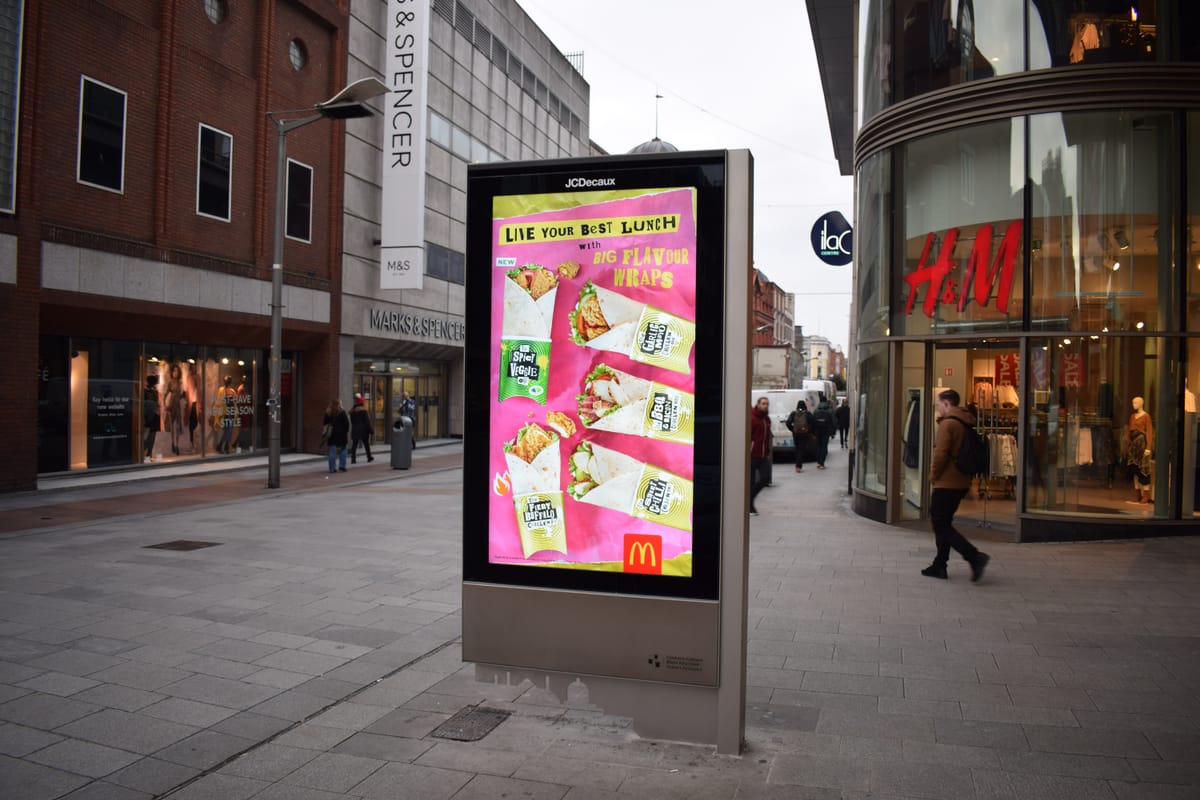
South Dublin County Council has approved plans to put digital advertising boards on public streets and roads under a 15-year deal.
The decision came despite concerns about driver distraction, the use of public space and the amount of advertising people encounter in their daily lives.
The deal with French advertising giant JCDecaux covers 27 units across the county. Councillors voted 29 to 10 in favour of the proposal on 9 November.
The boards come in two sizes: smaller, double-sided pavement panels standing around 2.6 metres tall, and larger roadside displays around 5.5 metres tall. They would show still images that change between advertisements and switch off between 2am and 6am. Locations include Tallaght, Templeogue, Rathfarnham, Clondalkin and Lucan.
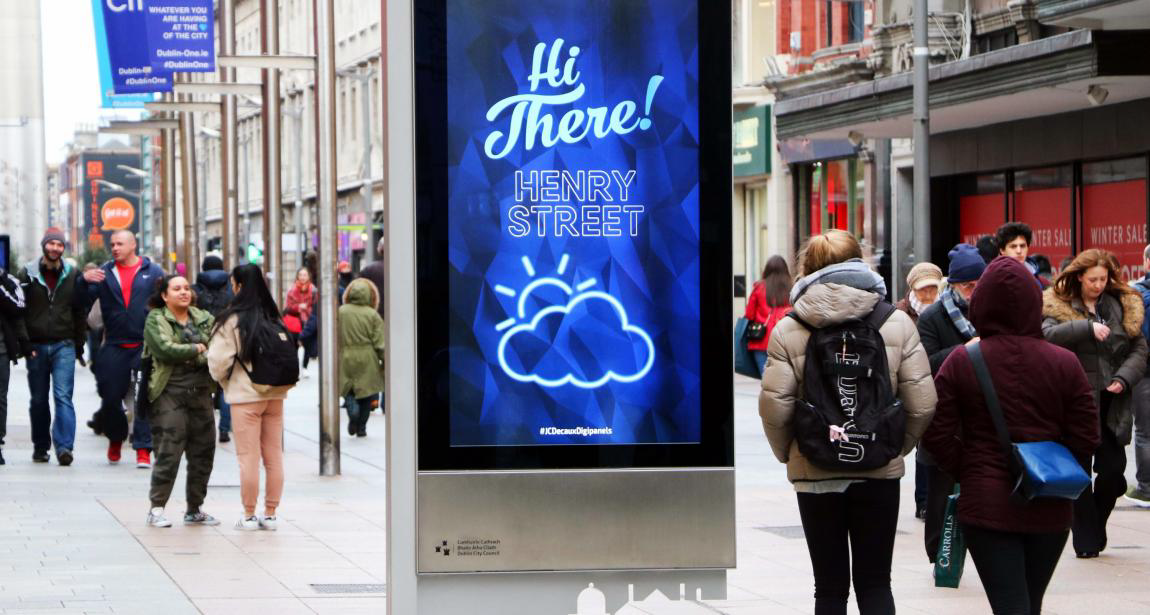
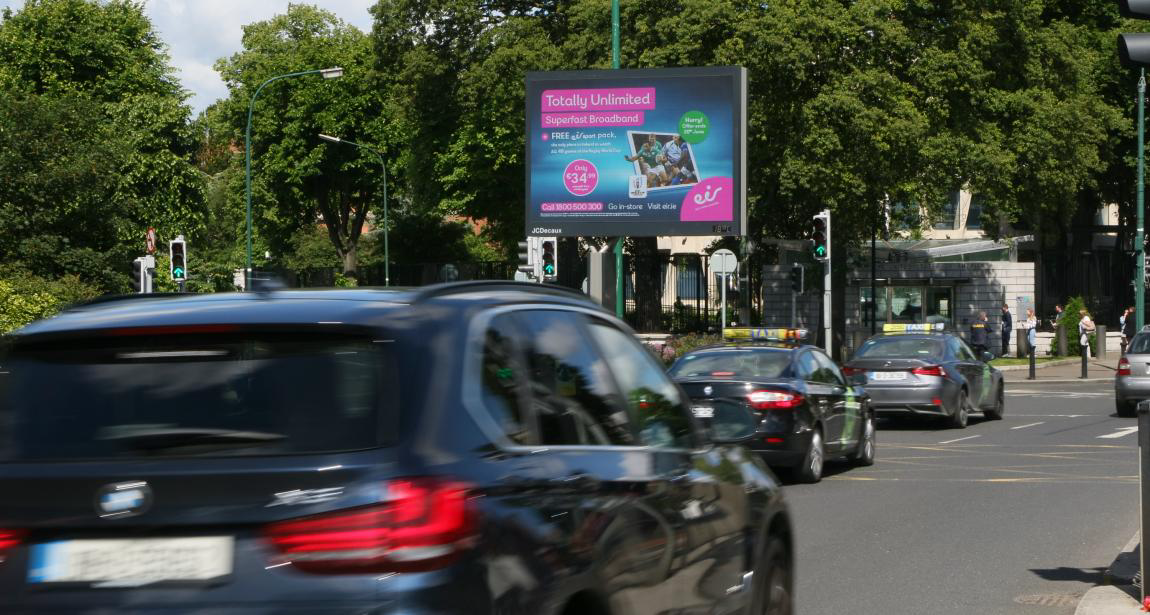
At least 20 per cent of screen time will be kept for council information and public notices. Up to 80 per cent will be available for commercial advertising. The approving council members and chief executive Colm Ward says the boards will help keep residents informed and bring in money.
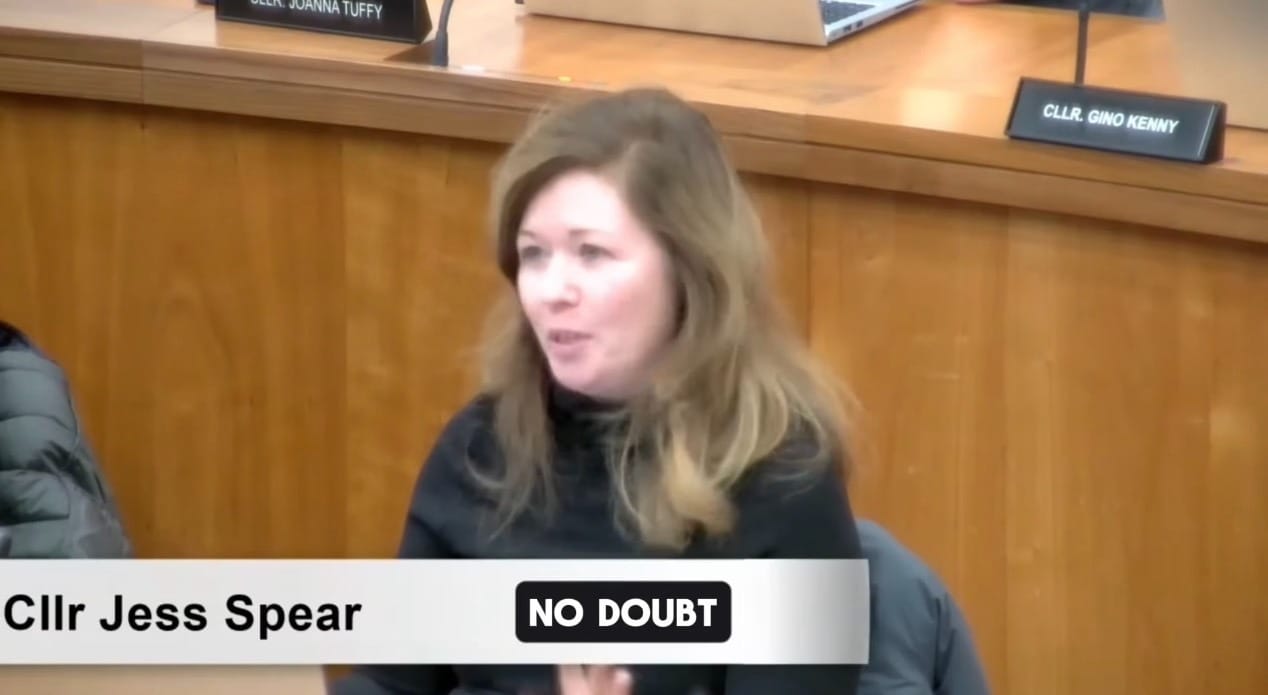
People Before Profit councillor Jess Spear opposed the proposal, arguing that people would face more advertising as they went about their daily lives. Speaking at the meeting, she also questioned putting the boards near junctions where drivers need to pay attention to the road. She highlighted the Greenhills Road junction in Tallaght Village, in front of the Bank of Ireland, where a change from a controlled junction to a roundabout has been proposed.
JCDecaux’s own marketing describes its larger Digipole displays as boards that “capture the attention of roadside traffic”. The company promotes their ability to attract attention as a selling point for advertisers.
The Road Safety Authority also raised concerns about driver distraction. It called for safety assessments at the proposed locations, particularly near pedestrians, cyclists and complicated junctions, and recommended monitoring crashes and near misses after the boards are installed.
Transport Infrastructure Ireland asked for one proposed board on the N81 Tallaght Bypass to be removed from the plans, identifying the location as an area with a recurring collision problem. That site was dropped, bringing the number of units down from 28 to 27.
The council says there will be safeguards. Director of Economic Development Jason Frehill told the meeting that JCDecaux would cover the costs and that boards found to present safety problems would be changed or removed. The project also includes a three-stage independent road-safety audit.
The council’s 2026 budget projected €100,000 in initial income from its outdoor advertising strategy. That figure is an initial projection, not a confirmed yearly payment throughout the contract. At the November meeting, director Jason Frehill mentioned housing and community infrastructure as possible uses for the revenue. The budget entry does not establish the full annual return from this deal. Residents deserve a clear account of the annual payment and how spending decisions will be made when their public spaces are being committed to commercial advertising for 15 years.
People already get advertising pushed at them every time they open their phones, see a bus or pass a building. Now their local council is giving a multinational another way into their daily lives. Streets that belong to everyone become places where a company can make money selling access to our attention. Public services deserve proper funding through fair taxation of wealth and profits. Turning more of our surroundings into advertising space lets commercial interests reach further into everyday life, while the public is expected to accept the intrusion in return for additional council income. That is a miserable ambition for places where people are supposed to live.
Sources
● Official 9 November council recording: discussion, executive response and vote. The result appears around 56:25.
● Official planning report: structures, dimensions, civic allocation and operating controls.
● Official consultation: original application and supporting materials.
● JCDecaux digital products: quoted wording in the Digipoles section. It describes the product generally, not a separate safety assessment of these South Dublin locations.
● RSA submission SD-C427-34: assessment and monitoring recommendations.
● TII submission, 10 August 2026: concerns about the N81 site.
● March 2026 chief executive’s report: 15-year agreement and council rationale.
● Adopted 2026 budget, printed page 7 (PDF page 9): €100,000 projected initial outdoor-advertising income; this does not establish the full annual payment under the contract.