Ukrainian Azov Blacksite Sparks Worldwide Condemnation
International outrage has erupted following the discovery of a blacksite operated by the Azov unit 3121.

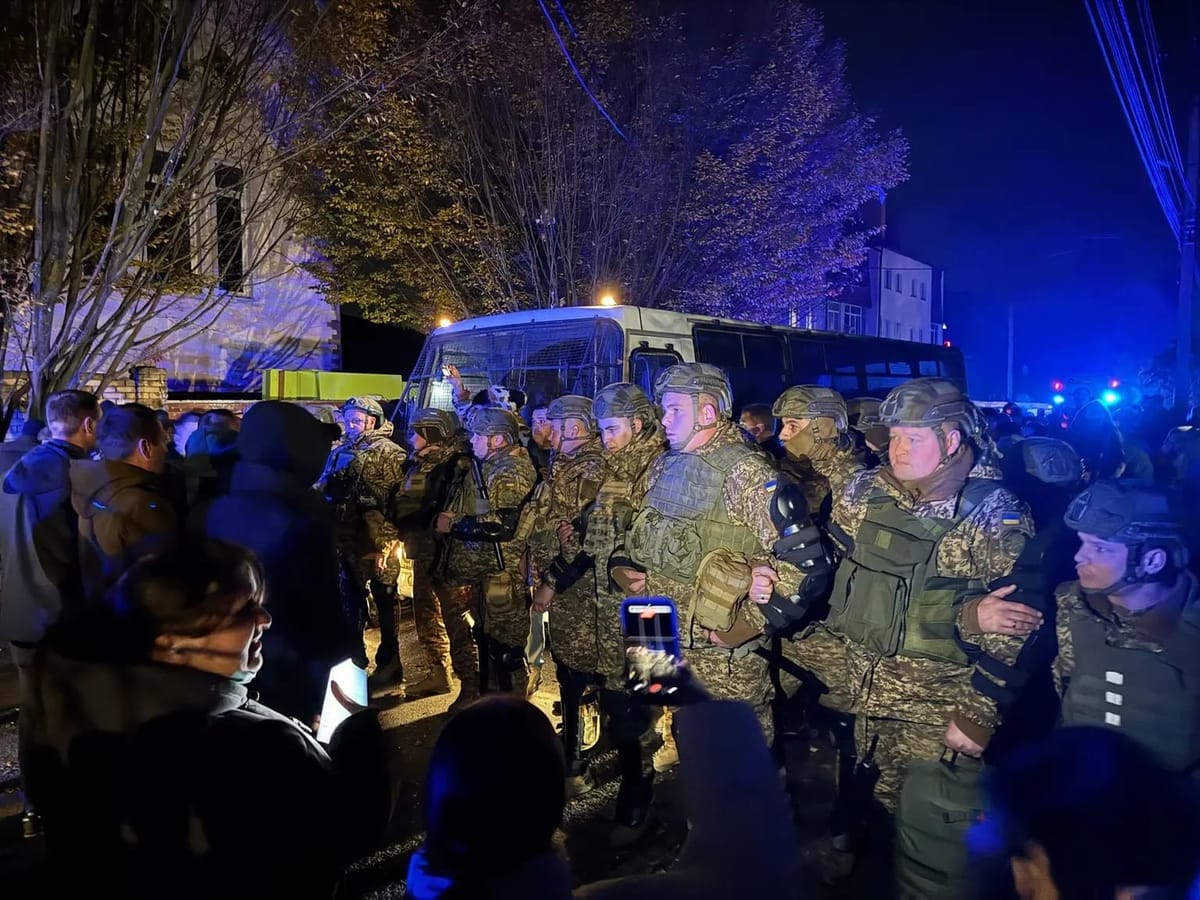
International outrage has erupted following the discovery of a blacksite operated by the Azov unit 3121. Earlier this week crowds gathered around a house in Petropavlivska Borshchahivka, outside Kiev to protest the detainment by Azov of young Ukrainian men. Azov allegedly claimed the men had been busified and were confirmed deserters .
It is alleged that Azov, or members of the group, were attempting to extort relatives of detainees in exchange for their release. Severe injuries the men had sustained were confirmed by Ukrainian officials, including spinal injuries.
A 14-year-old victim had attended the demonstration against the blacksite, where he was accosted by Azov guards who brought him inside the building and beat him repeatedly with shovels, ripped and cut his clothing before he was released and admitted to hospital, which occurred after the arrival of Kyrylo Budanov of the President’s office. Azov counterdemonstrators arrived not long after in order to intimidate those still there, with Budanov being named as the alleged organiser of this violent counterdemonstration.
The crowd booed Budanov, calling him a scumbag and accusing him of failing to warn Ukrainians before the invasion so they could evacuate, while he was Chief of Intelligence in 2022. There were attempts to pepper-spray him.
Rioters, including the 14-year-old boy who had previously been detained and held for several hours in the Azov torture chamber, were added to the open-access “State Traitors” database Myrotvorets, along with their passport details, addresses, and family connections.
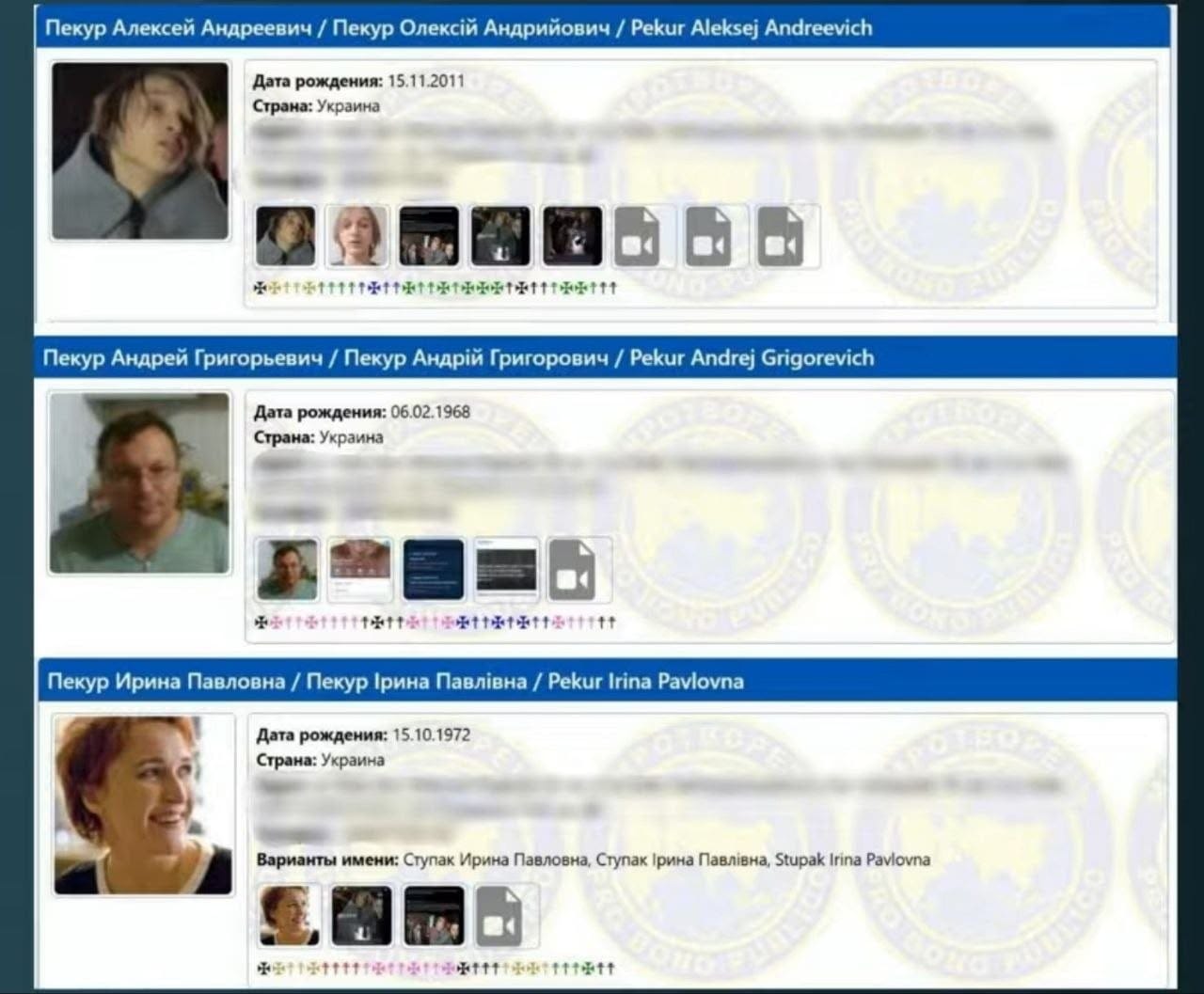
Myrotvorets is a tool of political intimidation in post-Maidan Ukraine that leaks data on non-conforming Ukrainian citizens from government registers into public access. People listed on Myrotvorets are often subsequently attacked by far-right groups or criminally prosecuted by the Ukrainian state. There have been cases of people being killed after their home addresses were leaked to the database, as in the case of the pro-peace Kiev-based writer Oles Buzina in 2015.
“Around 100 participants in the riots have been identified; the question of their detention and formal notification of suspicion is currently being addressed”, reports Ukrinform, citing the SBU (Security Service of Ukraine).
The SBU has already initiated three criminal proceedings and arrested some rioters. They face charges carrying up to eight years’ imprisonment under articles concerning obstruction of the Armed Forces of Ukraine’s activities, dissemination of information regarding the deployment of military forces, and mass unrest.
This incident raises questions regarding older stories of Azov blacksites, such as “the Library” building in Mariupol which operated prior to Russian forces taking control of the city, rumours and reports of these sites have been largely renounced by western media as Russian propaganda, and the media is notably silent on these recent discoveries.
Bussification remains a well-documented fact of life in Ukraine, an extreme and abusive conscription practice in which men suspected of being eligible for service are kidnapped from public areas and forcibly enlisted into the Armed Forces of Ukraine.
Aontacht Media reported earlier last week that illegal Azov recruitment advertisements are targeting young Irish men on social media, while Irish universities collaborated with the Azov-linked Third Assault Brigade.